
A 10-Year-Old Decided to Become an Entrepreneur in Two Minutes. Here's What He Taught Me.
I want to tell you a story. It changed how I think about children and their dreams.
About five years ago, I walked into an elementary school classroom with fifteen kids. I had a plan. I was going to talk to them about careers: how jobs are grouped, how the world of work is organized. Neat, structured, prepared.
I had thought of everything, except one thing.
The kids.
The Lesson That Went Off Script
From the first minute, the conversation went somewhere I didn't expect. The children weren't asking, "What jobs are there?"
They were asking something much deeper.
"I want to do something of my own. Something that might not even have a name. I don't care what it's called. That's what I want. What do I have to do?"
The room went quiet. Then someone said the word out loud.
Entrepreneurship.
"What's that?" a student asked.
Before I could answer, a hand went up. A ten-year-old, with the kind of raw confidence only kids have.
"I've decided. I'm going to be an entrepreneur."
It took him about two minutes to make a decision that many adults never make in a lifetime.
I had come to teach something. The kids taught me something else.
Imagination Doesn't Need Permission
That moment taught me three things I've carried into every classroom since.
Imagination doesn't need permission. Children don't wait until they feel "ready" to want something big. They want it now, out loud, without worrying whether it has a proper name.
The best age to dream isn't when you've prepared. It's now. At ten, the world is still wide open. Nobody has told a child yet which dreams are realistic. That's a gift, and it doesn't last forever.
What sounds "crazy" is usually creative. When you talk with ten-year-olds, you hear the wildest ideas. They aren't crazy. They are some of the most creative thoughts you'll ever hear. The only thing missing is a way to test them.
Why Parents Rush to Fix a Child's Dream
If your child told you tomorrow that they wanted to be an entrepreneur, what would you say?
Most of us reach for one of two reflexes.
The first is correction. "That's great, but you should have a backup plan." Or: "What does that even mean? What kind of business?"
The second is excitement that quietly turns into pressure. "Wow! Let's start a company!"
Both come from love. But both can shrink the dream. A child who is asked to explain exactly what they mean, or to justify it on the spot, often learns to stop sharing big ideas out loud.
The classroom moment I described worked because nobody asked the boy to defend his decision. He said it. The room made space for it. That was enough.
What to Do When Your Child Says, "I Want to Be an Entrepreneur"
Here is what I'd suggest, based on twenty years of watching how kids respond to adult reactions.
1. Don't ask them to define it. At ten, "entrepreneur" may simply mean "I want to make something of my own." That's a perfectly good starting point. The definition will come later.
2. Ask what excites them about it. "What would you want to make?" "Who would you want to help?" These questions invite imagination instead of an exam.
3. Take it seriously, without making it heavy. You don't need a business plan. Treat the idea the way you'd treat your child's interest in science or music: something worth exploring.
4. Give them something small to try. A first step could be helping one person with one problem. Small experiments turn a big dream into real experience.
5. Let the dream change. A child may want to be an entrepreneur this month and an inventor next month. That isn't flakiness. That's exploring.
Why Entrepreneurship Fits the Way Kids Think
Many kids don't see the world as a list of job titles. They see problems they want to fix and things they want to make. That is why the word "entrepreneur" lit up that classroom.
Entrepreneurial thinking asks children to notice a problem, imagine something better, try it, and learn from what happens. It's creative and practical at the same time. And it matches the instinct my students voiced: I want to make something that's mine.
It's also one of the few areas where "it has no name yet" is a feature, not a flaw. New ideas rarely arrive with names.
Frequently Asked Questions
My 10-year-old says they want to be an entrepreneur. Should I take that seriously?
Yes, as a sign of interest, not a final career plan. It tells you your child wants to create and to make decisions. You can support that without any pressure to commit to a future.
How can I support my child's big dreams without being unrealistic?
Ask curious questions, offer small real-world experiments, and avoid shooting the idea down or inflating it. Realism comes naturally when children test their ideas with real people.
What if my child changes their mind next week?
That's normal and healthy. Exploring different ideas is how children discover what fits them. The skills they practice, like thinking creatively and making decisions, carry over to every idea.
Is 10 too young to learn about entrepreneurship?
No. Ten is when many children start thinking about what they want to create and who they want to become. The key is to keep it age-appropriate, practical, and playful, rather than turning it into business lessons for adults.
What should I avoid saying to a child with a big idea?
Avoid "That will never work" and "Come back when you have a real plan." Try "Tell me more," or "What would be the first small thing you could try?"
Final Thoughts
I walked into that classroom to teach children about the world of work. I walked out understanding that the world changes, over time, because of people who decided at ten that they'd build something of their own.
So here is my message to every parent reading this.
Don't rush to correct your child's dreams. Don't ask them to explain the name of what they're imagining. Give them room to live it.
Because the world isn't changed by the people who stay on the familiar path. It's changed by the ones who decided, in two minutes, that they would make something of their own.
Maybe the child sleeping in the next room is one of them.
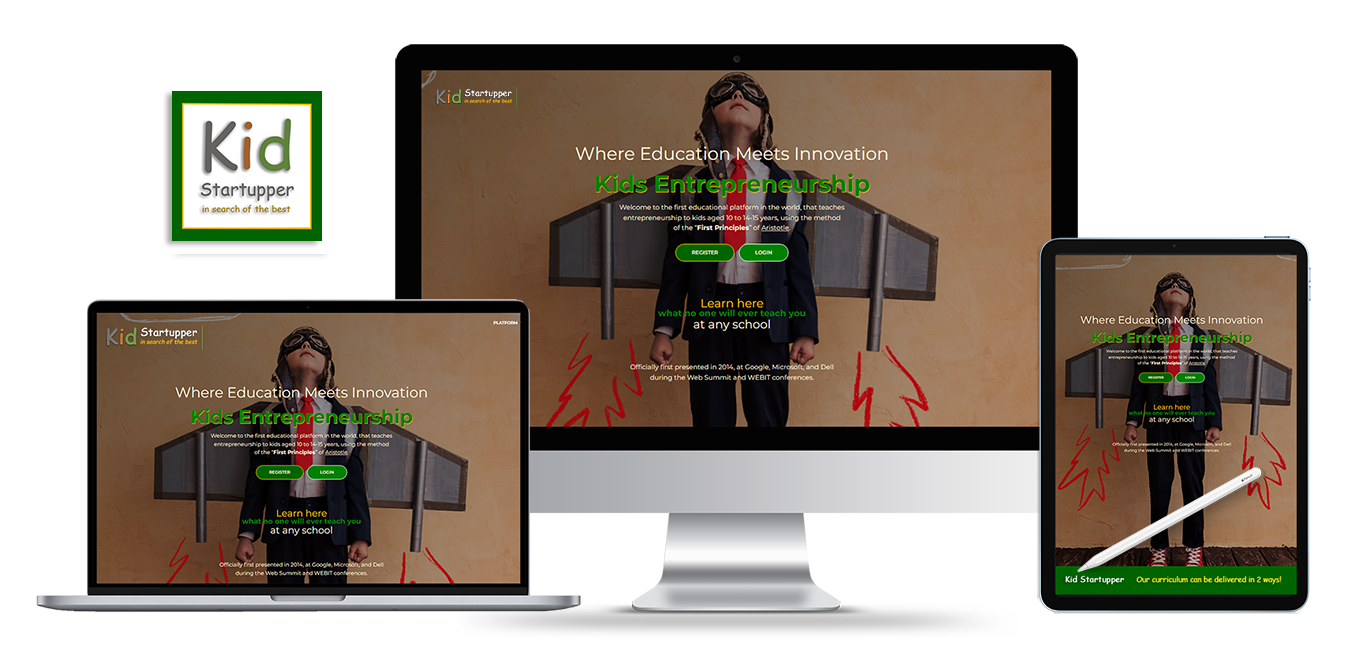
If your child is ready to explore that kind of thinking, KidStartupper helps kids ages 10 to 15 turn big ideas into real projects, step by step. The first seven days are completely free. No credit card required.
Start your child's free 7-day trial here
You may also find these articles helpful:
My Kid Wants to Start a Business. Now What?
How Can a Child Tell If Their Business Idea Is Worth Pursuing?
How Do I Know If My Child Is Ready for Entrepreneurship?