
Why Some Kids Ask “Why?” All the Time (And Why It’s Actually a Good Sign)
If you have a child at home, there is a good chance you hear one particular question many times a day.
“Why?”
Why do airplanes fly?
Why do people have to work?
Why do stores sell things?
Why do some people start companies?
For many parents, the endless questions can feel exhausting.
Sometimes it seems like the questions never stop.
But what many parents don't realize is that these constant “why” questions are actually one of the most powerful signs of learning.
When children ask “why,” they are not just asking for information.
They are trying to understand how the world works.
Curiosity Is How Children Learn About the World
Children are naturally curious. From a very young age they want to explore, observe, and understand the things around them.
When a child asks “why,” their brain is trying to connect ideas.
They are trying to understand cause and effect.
For example, a child might see a busy coffee shop and ask:
“Why do people buy coffee here?”
This simple question can lead to a deeper conversation about businesses, services, and how people create solutions for everyday needs.
Curious Kids Often Become Creative Thinkers
Research in education and child development consistently shows that curiosity plays a major role in learning.
Children who ask questions frequently tend to:
- observe details more carefully
- connect ideas together
- look for patterns
- explore alternative solutions
In other words, they develop the kind of thinking that leads to creativity and innovation.
Many inventors, entrepreneurs, and creators share a similar habit: they constantly ask questions about how things work.
A Real-Life Example
Imagine a child walking through a local farmers market.
They see one vendor selling apples, another selling bread, and another selling handmade crafts.
A curious child might ask:
- Why are these people selling things here?
- How do they decide the price?
- Why do customers choose one stand instead of another?
These questions might sound simple, but they are actually the beginning of economic and entrepreneurial thinking.
The child is trying to understand how people create value.
Sometimes Adults Accidentally Shut Down Curiosity
Because parents and teachers are busy, it can be tempting to respond quickly with answers like:
“That's just the way it is.”
or
“Stop asking so many questions.”
But when children repeatedly hear responses like this, they may gradually stop asking questions.
And when the questions stop, curiosity can fade.
How Parents Can Encourage Curiosity
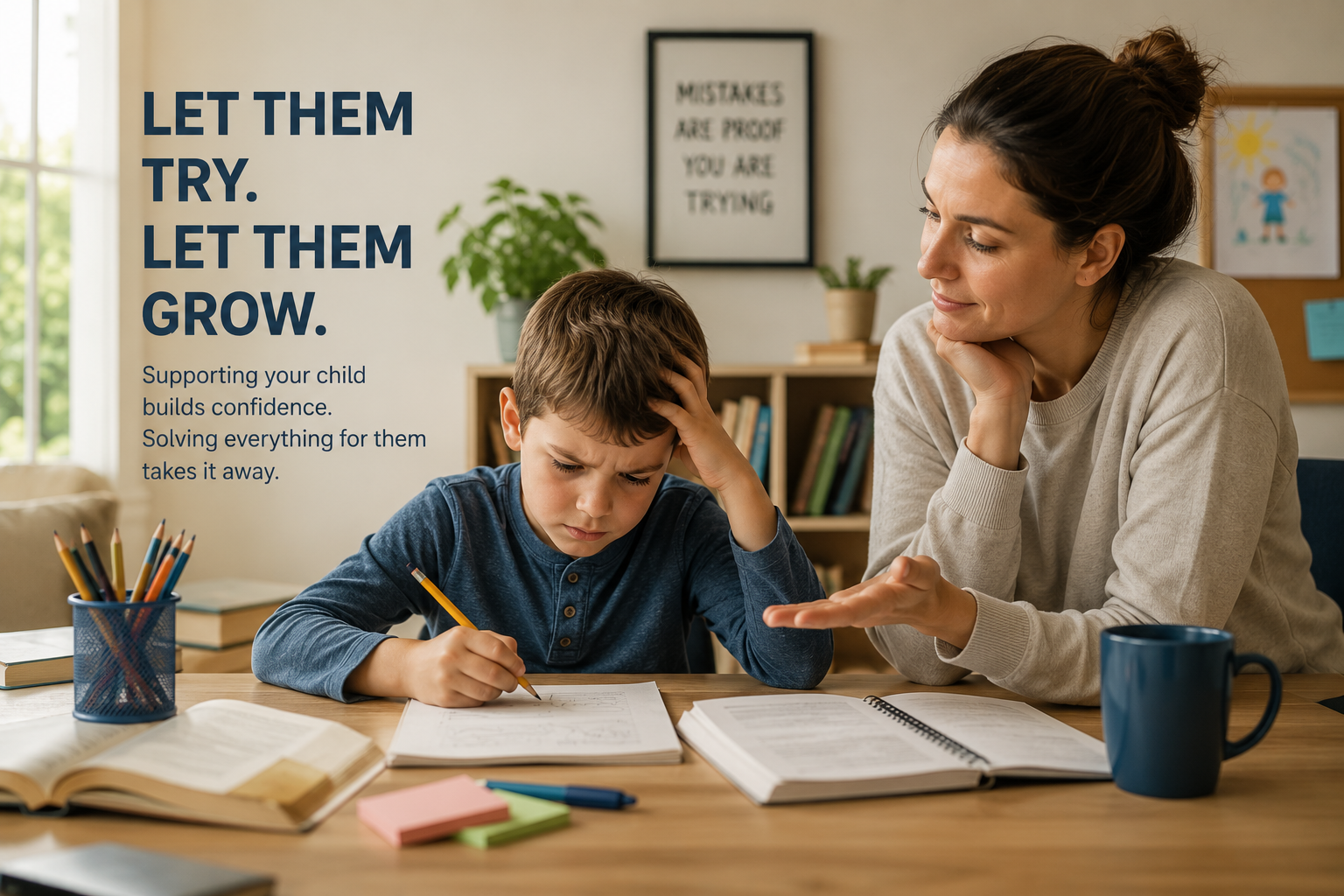
The good news is that parents don't need to know every answer.
Sometimes the best response is another question.
For example:
- “What do you think the answer might be?”
- “How could we find out?”
- “What do you think would happen if we tried this?”
This approach helps children learn how to think, not just memorize information.
Curiosity Is the Beginning of Innovation
Many great ideas start with a simple question.
Someone wonders why something works a certain way.
Then they begin exploring whether it could work better.
This mindset is the foundation of innovation.
It begins with curiosity.
And curiosity often begins with one simple word:
“Why?”
A Learning Environment That Encourages Exploration
Many parents today are searching for ways to help their children explore ideas and develop creative thinking.
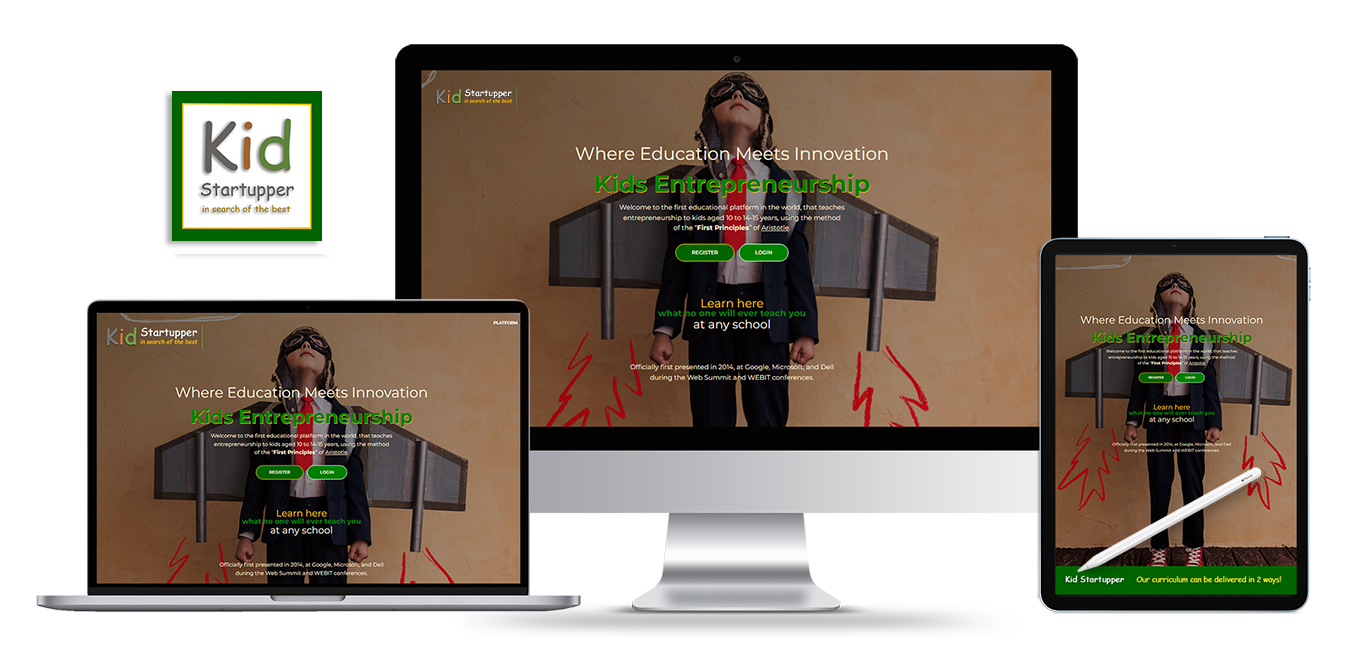
If you want your child to turn curiosity into creativity and problem-solving skills, you can explore the KidStartupper entrepreneurship program.
The platform introduces students to innovation, creativity, and startup thinking through interactive projects designed for young learners.
Big Ideas Often Start with Small Questions
A child who constantly asks “why” is not being difficult.
More often, they are simply trying to understand the world around them.
And many times, the next big idea begins exactly that way.
With a small question.