
My Child Has Great Ideas but Never Finishes Them — What Parents Should Know
Many parents notice a pattern in their children that can feel confusing.
Their child has incredible ideas.
One day they want to design a video game. The next day they want to build a cardboard city. A week later they begin drawing characters for a comic book.
Each new idea starts with excitement and energy.
But after a few days, the project disappears.
A new idea replaces the old one.
This leaves many parents wondering:
"Why does my child start so many things but never finish them?"
This Is Actually Very Common
Children who constantly come up with ideas are often highly creative thinkers.
Their brains generate possibilities quickly.
They imagine new games, inventions, stories, or projects all the time.
The challenge is not imagination.
The challenge is structure.
Most children have never learned how to take an idea and move it step by step toward completion.
A Real-Life Example
Imagine a 12-year-old who decides to build a small game.
They begin by sketching characters and imagining levels.
They excitedly explain how the game works.
But after a few days, they stop.
Why?
Because they suddenly realize that building the full game feels complicated.
Without a clear path forward, the brain naturally moves to the next exciting idea.
Why Kids Abandon Their Projects
Several things usually happen when children start a project:
- The idea feels exciting at first
- The project suddenly becomes difficult
- The child does not know what step comes next
- The brain searches for a new idea that feels easier
This cycle repeats again and again.
And many creative children experience exactly this pattern.
Breaking Big Ideas Into Small Steps
The key to helping children finish projects is surprisingly simple.
Big ideas must become small steps.
For example, if a child wants to create a game, the steps might look like this:
- draw the main character
- write simple rules for the game
- test the idea with friends
- improve the design
Suddenly the idea becomes manageable.
Another Example Parents Recognize
Imagine a child who loves drawing.
Instead of planning a huge art project, they might begin with something simple.
They could design:
- custom notebook covers
- stickers for friends
- a short comic strip
When children complete even small creative projects, they gain confidence.
They begin to believe they can finish what they start.
The Role of Parents
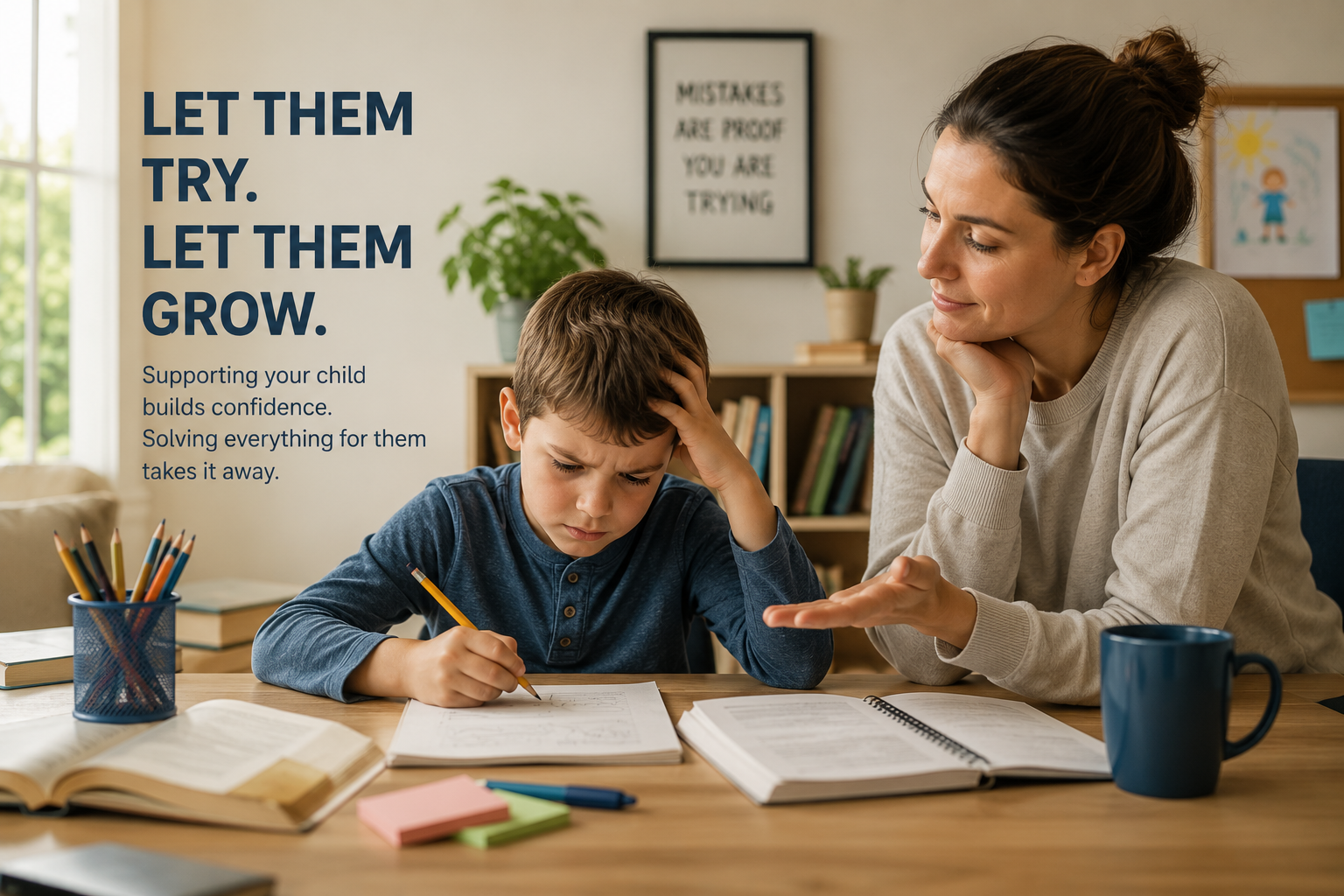
Parents do not need to control the project.
Often the most helpful thing they can do is ask the right questions.
- "What would be the first step?"
- "What could you try today?"
- "How would you test that idea?"
These questions help children organize their thinking.
Turning Ideas Into Real Projects
Children develop powerful skills when their ideas become real projects.
They learn:
- persistence
- problem solving
- creativity
- confidence
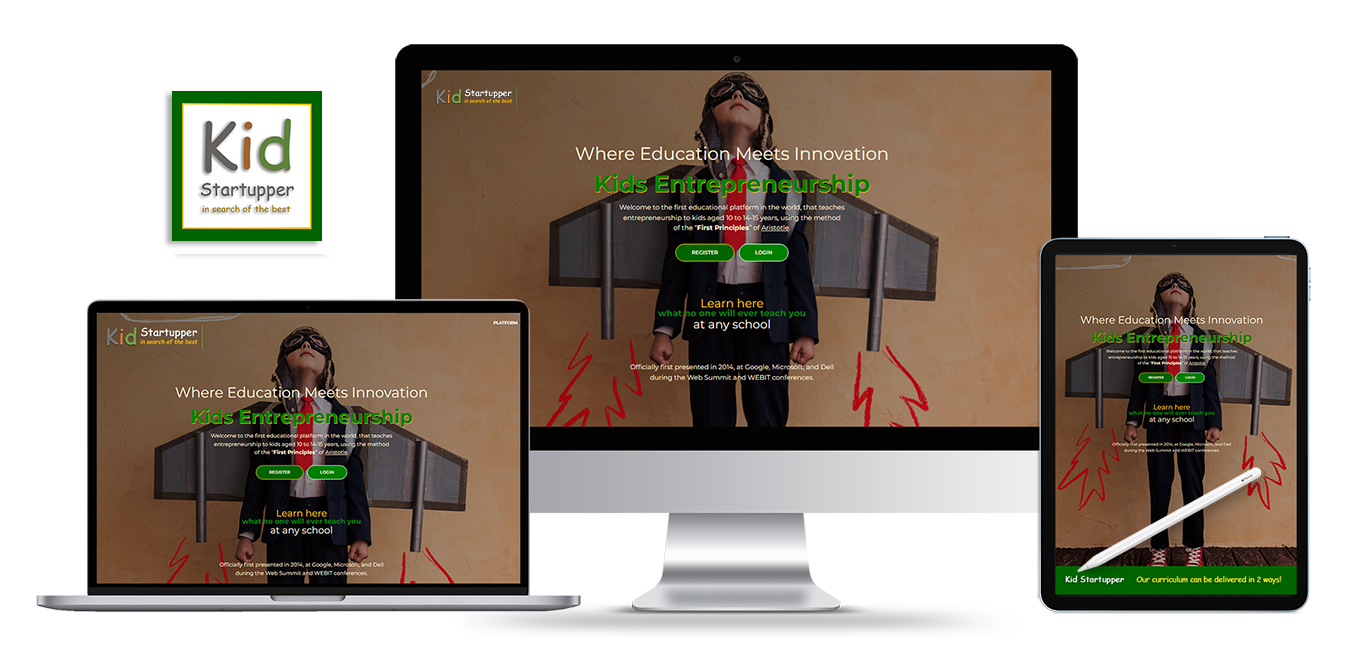
If you want your child to explore creativity and entrepreneurial thinking through guided activities, you can learn more about the KidStartupper learning platform.
The platform helps children ages 10–15 develop ideas, work on projects, and experience how creative thinking can turn into real-world innovation.
When Kids Discover They Can Finish What They Start
One of the most powerful moments in a child's learning journey is when they complete something they imagined.
It may be a small project.
But in that moment, the child realizes something important:
"My ideas can become real."