
Why Some Kids Are Natural Problem Solvers
Many parents notice something interesting about their children.
When a problem appears, some kids immediately look for solutions.
Other children feel frustrated and wait for an adult to help them.
This difference often comes from how children experience challenges while growing up.
Problem solving is not simply an academic skill. It is a mindset that develops through everyday experiences.
What Problem Solving Really Means for Children
When adults hear the phrase “problem solving,” they often think about mathematics or logical puzzles.
However, for children, problem solving appears in many daily situations.
For example, a child building a tower with blocks quickly discovers that the structure collapses if it is not stable.
Instead of giving up, the child may try different approaches:
- building a wider base
- using larger blocks at the bottom
- changing the shape of the structure
Through these attempts the child learns something important: solutions come through experimentation.
A Simple Example Parents Recognize
Imagine a child who wants to organize a game for friends in the backyard.
The first version of the game might not work well.
Maybe the rules are confusing, or the game ends too quickly.
A natural problem solver begins adjusting the rules.
They may say:
“What if we add a timer?”
or
“Maybe each team should get three tries.”
Through these adjustments, the child is practicing creative problem solving.
Why Some Children Develop This Skill More Easily
Children who become strong problem solvers often grow up in environments where experimentation is encouraged.
They are allowed to try ideas, make mistakes, and improve their solutions.
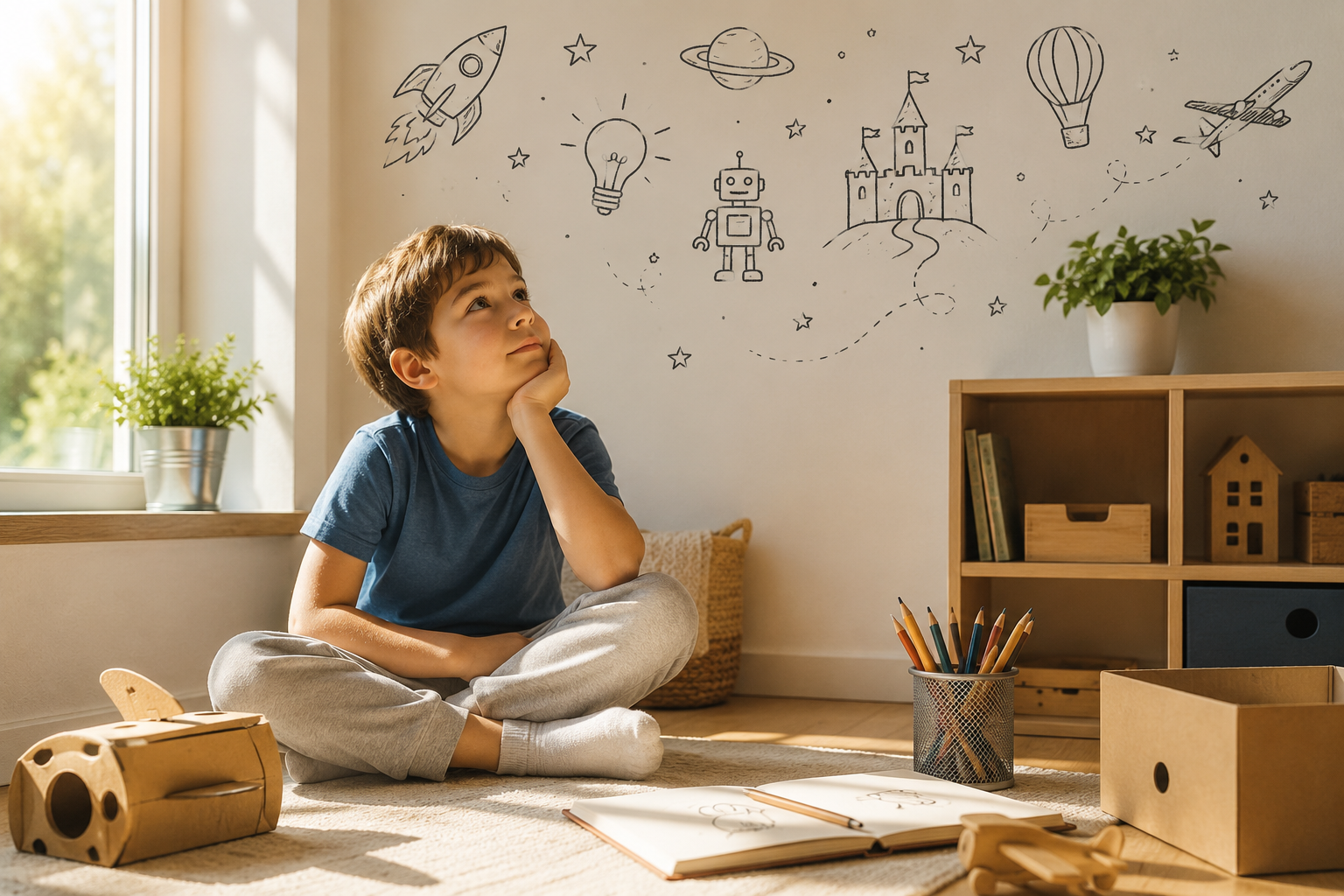
For instance, a child who enjoys building things with cardboard boxes may encounter many small problems:
- How do I make this structure stand?
- How do I connect these pieces?
- How can I make it stronger?
Each question becomes an opportunity for learning.
The Role of Parents
Parents play an important role in developing this mindset.
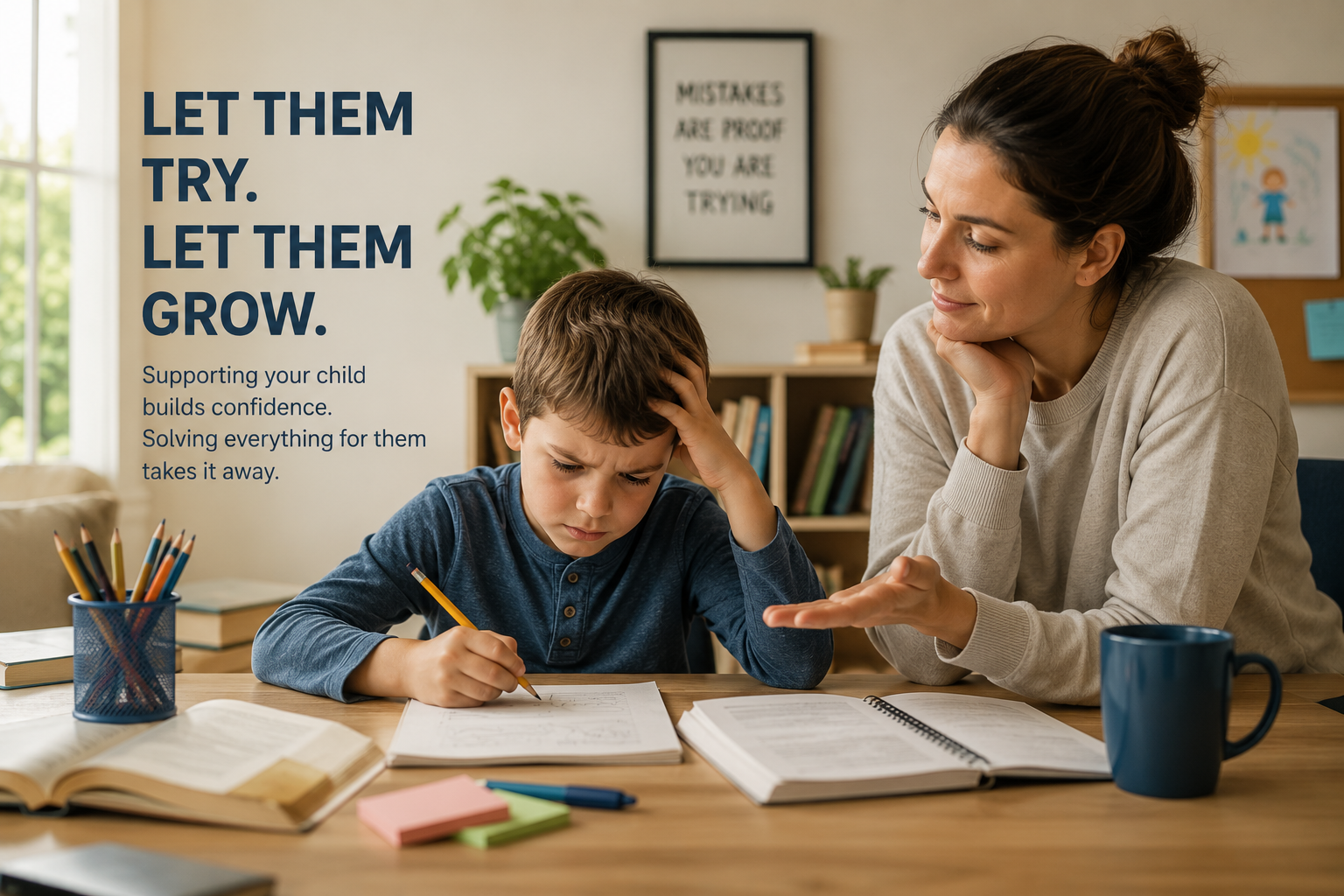
Instead of immediately fixing problems, they can guide children with questions such as:
- What do you think we should try?
- What could make it work better?
- How would you test that idea?
These questions help children develop independent thinking.
Turning Problems Into Projects
Children develop stronger problem-solving skills when they work on projects that involve ideas, challenges, and experimentation.
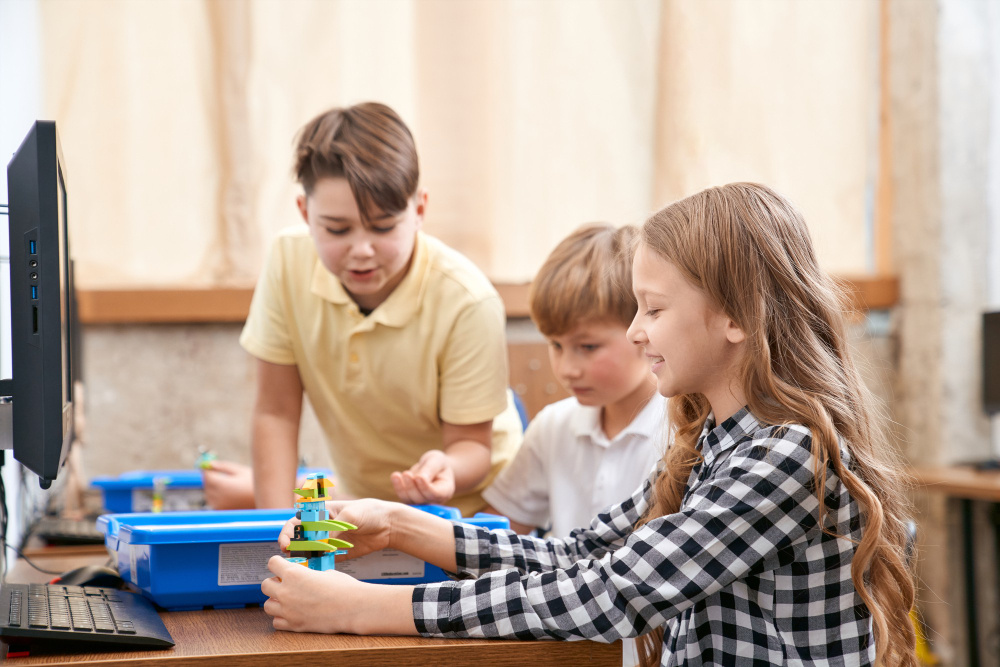
Projects encourage children to think about solutions, improve their ideas, and collaborate with others.
If you want your child to explore creative problem solving and entrepreneurial thinking, you can learn more about the KidStartupper learning platform.
The platform helps students ages 10–15 explore ideas, build projects, and develop the mindset of creators and innovators.
The Confidence That Comes From Solving Problems
When children learn that they can find solutions on their own, something powerful happens.
They begin to feel confident in their ability to face challenges.
This confidence becomes one of the most valuable skills they carry into the future.