
How Parents Can Teach Kids About Money at Home (Step-by-Step Guide)
Many parents want their children to understand money, responsibility and value. However, financial education is rarely taught in a practical way at school.
The good news is that parents can teach these lessons at home through simple activities that children enjoy.
Below are practical ways to introduce kids to money, saving and basic entrepreneurial thinking.
1. Start With Simple Conversations About Money
Children are naturally curious about how the world works. Talking openly about money helps them understand its role in everyday life.
For example, when you go grocery shopping you can explain how you decide what to buy and why certain choices are better than others.
This helps children understand that money involves decisions and priorities.
2. Give Kids Small Money Responsibilities
A simple way to teach kids about money is to give them small responsibilities.
For example:
- Let them manage a small weekly allowance
- Allow them to decide how to spend or save part of it
- Encourage them to plan what they want to buy
This teaches children that money involves choices and planning.
3. Create a Simple Saving Goal
Children learn best when they work toward a goal.
For example, if a child wants a toy that costs $20, you can help them create a simple saving plan.
Each week they can save a small amount until they reach their goal.
This teaches patience, planning and responsibility.
4. Encourage Kids to Create Small Ideas
Children enjoy coming up with ideas and projects. Encouraging them to create something simple helps them understand how value is created.
Examples of simple ideas kids can try:
- making handmade crafts
- creating greeting cards
- designing simple games
- selling lemonade at a family gathering
These small experiences help children understand how ideas can turn into value.
5. Teach the Difference Between Spending and Saving
One useful exercise is to divide money into simple categories.
For example:
- spend
- save
- share
This helps children understand that money can have different purposes.
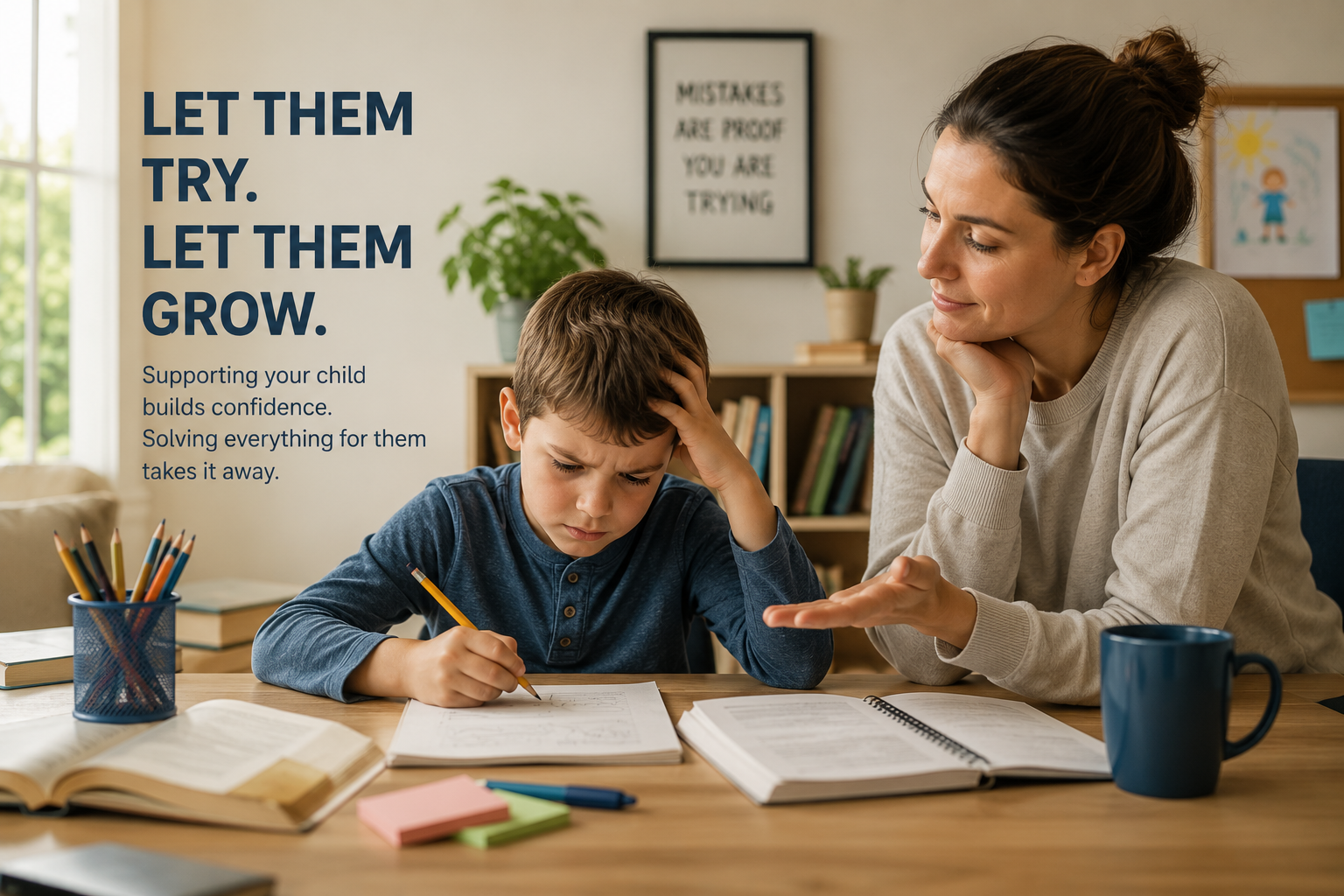
6. Let Kids Learn From Small Mistakes
If children spend their money quickly and regret it later, this can be a valuable lesson.
Instead of correcting them immediately, allow them to experience the consequences of their choices.
This helps develop decision-making skills.
Why These Lessons Matter
Learning about money early helps children develop responsibility, planning and confidence in their decisions.
These experiences also introduce the foundations of entrepreneurial thinking.
An Interactive Way for Kids to Explore Ideas
Some parents look for learning environments where children can explore ideas, projects and creativity in a structured way.
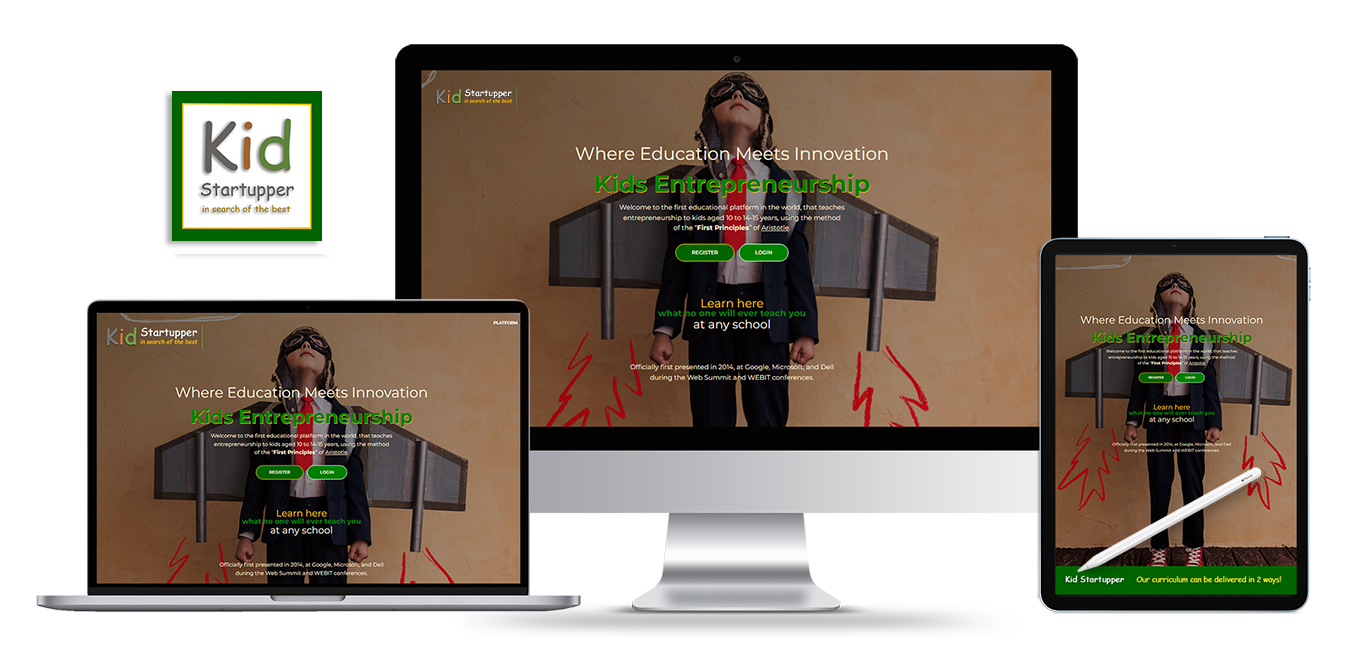
If you want your child to explore entrepreneurial thinking and creative projects, you can learn more about the KidStartupper entrepreneurship learning program for kids.
Helping Kids Build Skills for the Future
Through creative activities and project-based learning, children can explore ideas and develop confidence in their abilities.
You can also explore the entrepreneurship program for children to see how kids can start building their own ideas.
Conclusion
Teaching children about money does not require complicated lessons.
Through simple activities, conversations and small projects, parents can help kids develop skills that will support them throughout their lives.