
Why Teaching Entrepreneurship to Children May Be One of the Most Important Skills for Their Future
Parents today are raising children in a world that is changing faster than ever before.
Technology evolves rapidly, new professions appear every few years, and many traditional careers are being transformed. Because of this, the skills that will define success in the future are not limited to academic knowledge.
Increasingly, educators around the world agree on one important idea:
Children need to learn how to think like creators, problem-solvers, and innovators.
This is where entrepreneurship education for children becomes extremely valuable.
Entrepreneurship for kids is not about turning every child into a business owner. Instead, it helps children develop essential life skills such as:
- creativity
- problem solving
- confidence
- leadership
- initiative
- financial awareness
These abilities help children succeed no matter what career path they choose later in life.
What Is Children's Entrepreneurship?
When people hear the word entrepreneurship, they often imagine adults launching companies or startups.
However, children’s entrepreneurship is something much simpler and more educational.
It means helping children learn how to:
- identify problems
- create ideas that solve those problems
- organize their thoughts
- present their ideas clearly
- understand value and money
- collaborate with others
These are the same skills successful entrepreneurs use — just adapted to a child’s level.
Simple Examples of Entrepreneurial Thinking for Kids
For example, a child might:
- create handmade crafts to sell at a school event
- organize a small neighborhood lemonade stand
- design simple digital artwork
- offer a small service such as pet sitting or yard help
The goal is not profit.
The goal is learning through real-world experiences.
Why Entrepreneurship Skills Are Important for Kids
Most parents focus primarily on traditional subjects such as mathematics, language, and science. These are of course extremely important.
However, modern education increasingly highlights another category of abilities known as 21st-century skills — skills that prepare children for real-world challenges.
Entrepreneurship education supports the development of several of these skills.
Confidence
When children create ideas and present them, they gradually develop confidence in their abilities.
They begin to believe that their ideas matter.
Creativity
Entrepreneurial thinking encourages children to explore different ways of solving problems.
Instead of memorizing answers, they learn to invent solutions.
Decision Making
Children learn how to evaluate choices and make decisions based on reasoning.
Financial Awareness
Entrepreneurial projects introduce basic economic ideas such as value, cost, and pricing.
Responsibility
When children work on a project from idea to completion, they understand that results come from effort, planning, and persistence.
A Simple Example: A Child's First Business Idea
Let’s imagine a simple example.
Maria is 11 years old and enjoys drawing.
One day she notices that many of her classmates like decorating their notebooks with unique covers.
She decides to create custom illustrated notebook covers for her friends.
During this small project, Maria begins to learn several important lessons.
First, she identifies a need: her classmates want something personalized.
Second, she creates a product: handmade designs that reflect each student’s personality.
Third, she explains what she offers and shows examples of her work.
Then she decides to charge a small amount for each design.
Soon she begins receiving feedback. Some students request different colors or styles.
Even though this is a very small project, Maria has just practiced real entrepreneurial thinking.
How Parents Can Encourage Entrepreneurial Thinking at Home
Parents play a crucial role in helping children develop these abilities.
The good news is that entrepreneurship education does not require complicated tools or large investments.
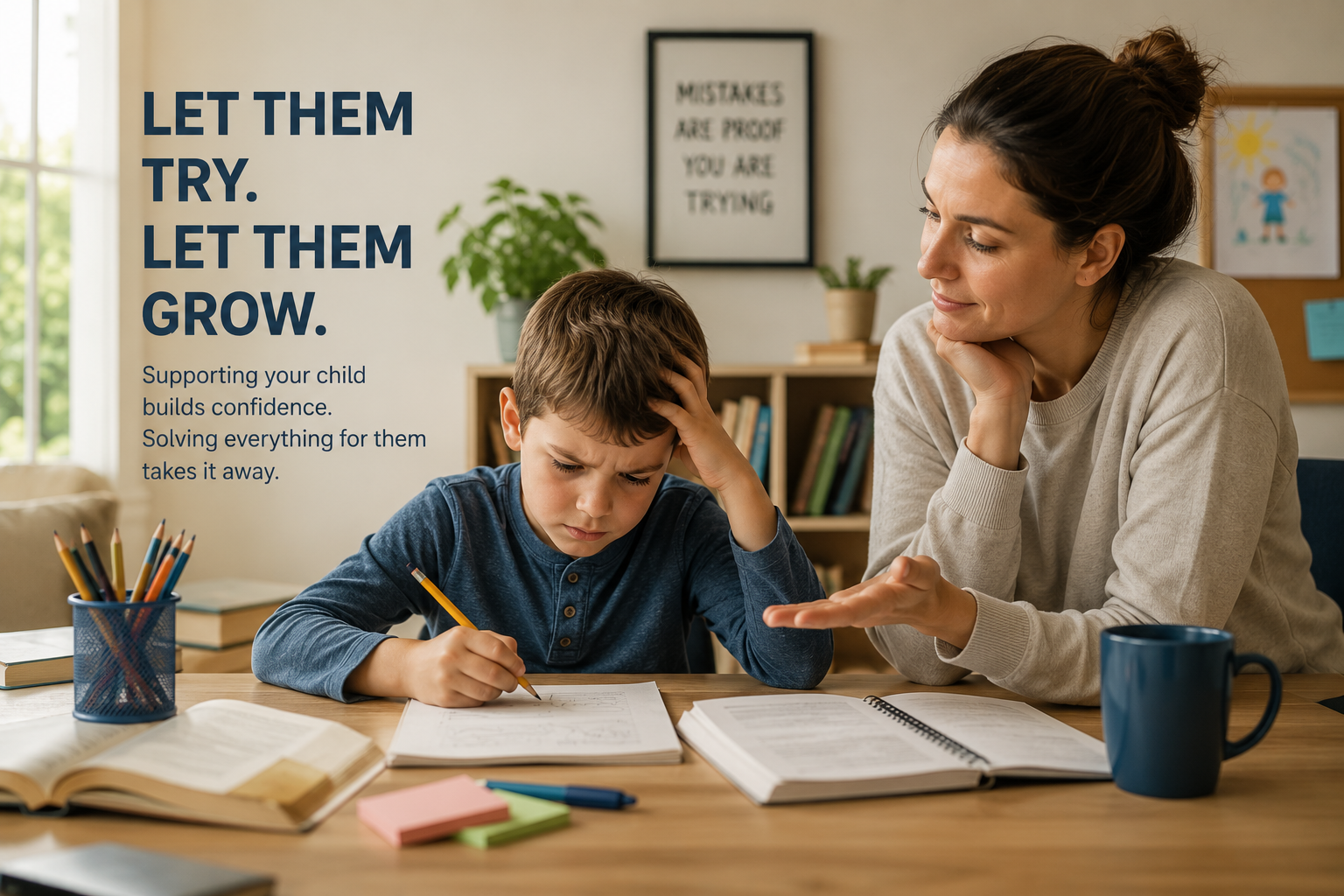
Encourage Children to Solve Problems
Instead of always providing answers, parents can ask guiding questions such as:
- “What problem are you trying to solve?”
- “What idea could improve this situation?”
- “What would you try first?”
Support Creative Projects
Children naturally come up with ideas such as:
- creating handmade products
- designing digital content
- organizing small events
- helping neighbors with small services
Encouraging these initiatives builds confidence and creativity.
Talk About Money in a Healthy Way
Financial education does not have to be complex.
Children can gradually learn basic concepts such as:
- value
- savings
- cost
- effort and reward
Let Children Experiment
Not every idea will succeed.
Some projects will work well, while others will not. Both outcomes are important.
Entrepreneurship education teaches children that mistakes are part of learning and improvement.
Helping Children Develop Entrepreneurial Skills Through Structured Learning
While creativity can develop naturally, structured learning environments can significantly accelerate the process.
Children benefit when they have access to:
- organized lessons
- interactive activities
- guided exercises
- real startup examples
- safe environments to share ideas
One educational platform designed specifically for this purpose is KidStartupper.
KidStartupper introduces children aged 10–15 to the fundamentals of entrepreneurship through interactive learning experiences.
Students can build their entrepreneurial profile, develop business ideas, explore startup stories and create their own projects.
Parents who want to explore this type of learning environment can learn more here:
KidStartupper entrepreneurship learning program for kids
Preparing Children for the Future
The future will reward people who can adapt, create, and think independently.
Entrepreneurship education helps children develop exactly these qualities.
Whether a child eventually becomes a scientist, engineer, teacher, artist or entrepreneur, the ability to think creatively and solve problems will always be valuable.
Final Thoughts
Parents often wonder if their child is too young to learn entrepreneurship.
In reality, entrepreneurship at a young age simply means learning how to think differently.
Children are naturally curious and full of ideas. With the right guidance, these ideas can become powerful learning experiences.
Encouraging entrepreneurial thinking may be one of the most meaningful investments we can make in our children’s future.