
Why Every Child Should Learn to Sell
I know what you are thinking. And I had the same reaction the first time someone suggested it to me.
Teaching kids to sell? That sounds like the beginning of a bad joke. Or a worse parenting decision.
We spend a lot of energy teaching children to be honest, to be kind, to think about other people. "Selling" conjures images of pushy car dealerships, telemarketing calls at dinnertime, and people saying things they do not quite believe in order to get something they want. Why on earth would we want to teach children to do that?
Here is what changed my mind — and it happened in a classroom, not a boardroom.
I was working with a group of twelve-year-olds on a project. They had spent weeks developing an idea for a product that would solve a real problem in their school. The idea was genuinely good. Creative, practical, specific. I was impressed. Then came the moment where they had to present it to a panel of older students and teachers who would decide whether it was worth developing further.
The kids who had the best idea froze. They knew everything about their product. They had thought through every detail. But the moment they had to stand up and explain why someone else should care about it — why it mattered, what problem it solved, why they should believe in it — they had nothing. The idea died not because it was bad. It died because they had never learned how to communicate it in a way that moved another person.
That day I stopped thinking about "selling" as a business skill. I started thinking about it as a human skill. One of the most important ones. And one that almost nobody is deliberately teaching children.
Selling Is Not What Most People Think It Is
Let me be clear about what I mean — and what I do not mean — when I say every child should learn to sell.
I am not talking about teaching kids to push products on people who do not want them. I am not talking about manipulation, pressure tactics, or any of the things that make most of us dread sales interactions. That version of selling is not only unpleasant — it does not actually work very well, and it has nothing to do with what I am describing.
The kind of selling that matters, and that I have seen transform children, is something much simpler and much more human: the ability to take something you believe in and communicate it in a way that helps other people understand why they should believe in it too.
That is it. That is the whole thing.
And when you put it that way, you start to notice how often every person — child or adult — needs to do exactly that. A kid who wants their parents to extend curfew is selling. A student who wants their group to go with their idea is selling. A teenager who applies for their first job is selling. A child who wants to resolve a conflict with a friend in a way that feels fair is selling. Every time you need to bring another person along — to your idea, your perspective, your request, your vision — you are selling. The only question is whether you are good at it or not.
Children Are Already Selling — Just Not Very Well
Here is something I have noticed over twenty years of working with children: they are constantly trying to persuade the adults and peers around them. They want things. They have preferences. They have ideas. They have opinions about what should happen and how.
What they usually lack is any skill in expressing those things in a way that lands. They default to demanding, whining, repeating themselves louder, or giving up. Not because they are bad kids — because nobody ever taught them a better way.
I once worked with a ten-year-old who had a genuinely brilliant idea for improving how his school's lunch schedule worked. He had thought about it carefully. He had noticed the real problem. He had a solution that was more practical than anything the adults had proposed. But when he tried to explain it to a teacher, it came out as an awkward jumble that sounded like complaining. The teacher dismissed it. The idea was lost.
Six months later, that same child had gone through our entrepreneurship program. He came back and presented the same idea — same concept, same solution — but this time he opened with the problem clearly stated, explained why it mattered for students and teachers, and offered his solution with a simple explanation of why it would work. The teacher listened. Actually listened. And then asked how they could implement it.
Nothing changed except the child's ability to sell the idea. And that changed everything.
The Skill That Opens Every Other Door
I have been building and running KidStartupper for years now, working with children across many different countries and backgrounds. And if there is one pattern I keep seeing over and over, it is this: the children who go on to do remarkable things — whatever field they end up in — are almost never the ones who simply know the most. They are the ones who can communicate what they know in a way that moves people.
This is true in every field without exception. Think about the people who made a real impact in any area you admire.
The teacher who changed how a generation of students thought about science did not just know science better than anyone else. They made you care about it in a way that you never forgot.
The doctor who transforms patient outcomes does not just have better clinical knowledge than their colleagues. They explain things in a way that patients actually understand and trust, which means patients actually follow the treatment.
The engineer who gets their projects built does not just have better ideas than everyone else in the room. They know how to explain those ideas to people who do not have their technical background and make them feel confident about moving forward.
This is selling. Not manipulating, not pressuring — communicating in a way that genuinely helps another person understand why something matters. Every person who has ever made a meaningful contribution to anything has done this. And almost none of them learned it in school.
What Children Actually Learn When They Learn to Sell
When I teach children communication and persuasion through the lens of entrepreneurship, the selling skills themselves are almost secondary. What they are actually developing is a whole constellation of capabilities that will serve them for the rest of their lives.
They learn to understand other people. Real selling — the good kind — starts with listening. You cannot communicate something effectively to another person if you do not first understand what that person cares about, what their concerns are, and how they see the situation. Children who learn this stop assuming that everyone thinks the way they do. They start asking better questions. They start noticing things about the people around them that they missed before. Every relationship in their life gets better as a result.
They learn to organise their thinking. One of the hardest things about communicating an idea is that you have to be clear about it yourself first. I cannot count the number of times I have watched a child try to explain something and discover, in the middle of the explanation, that they do not actually understand it as well as they thought they did. Having to communicate an idea to someone else forces a level of clarity that thinking about it alone never produces. Children who practice this regularly become significantly better thinkers — not just better talkers.
They learn that rejection is survivable. This is one of the most important things any child can learn, and it is one of the things that selling teaches most directly. You make your case. Sometimes the other person says yes. Often they say no. And you discover that the no did not kill you. You are still here. You can try again, or try differently. This lesson — that rejection is information, not verdict — takes most people decades to learn. Children who get there early are ahead of almost everyone around them.
They learn real confidence. Not the fragile kind that depends on other people's approval, but the solid kind that comes from knowing you can walk into a situation, explain what you think, handle what comes back, and still be standing at the end. That is a very different kind of confidence from what grades produce. Grades tell a child they performed well on a specific task in a controlled setting. Presenting an idea to a skeptical audience and making them genuinely consider it — that tells a child something about themselves that sticks.
Why This Is More Urgent Now Than Ever
I have been watching what is happening with AI very carefully. Not with panic, but with real attention to what it means for the children we are raising.
Here is what I see: the tasks that AI is getting genuinely good at are the tasks that require processing existing information quickly and accurately — exactly the tasks that traditional school has always prioritised. The tasks that AI struggles with, and may always struggle with, are the tasks that require genuine human connection: understanding what another person actually needs, earning their trust, communicating in a way that considers not just the words but the person receiving them.
Selling — in the real sense of the word — is fundamentally human. It requires empathy. It requires judgment. It requires the ability to read a situation in real time and adjust. It requires authenticity, because people can tell when someone does not actually believe what they are saying. These are not things that can be automated away. And as more and more cognitive work becomes something machines can do faster and cheaper, the human capabilities that remain distinctively valuable are exactly these ones.
A child who can walk into a room — or a video call, or a pitch, or a difficult conversation — and communicate their idea in a way that genuinely moves another person is developing a skill that compounds in value as they grow. It does not become less useful as they get older. It becomes more useful, because the stakes of every important conversation they have as an adult are higher than any they have faced as a child.
What This Looks Like in Practice
One of the activities I love most in our program is what we call the "pitch challenge." Students develop an idea — it could be a product, a service, a solution to a problem in their community — and then present it to a group of peers and adults who ask real questions and give honest responses.
The first time most children do this, it is uncomfortable. They rush through their explanation. They look at their notes. They freeze when someone asks an unexpected question. They give up the room the moment they sense the slightest resistance.
But then something happens. They watch another student try. They see what works and what does not. They think about what they would do differently. They try again. And the second time is different. Not perfect, but different. More grounded. More real. More theirs.
I have watched children who could barely introduce themselves at the beginning of a program stand up in front of a group of twenty people weeks later and make a case for an idea they genuinely believed in, handle pushback with composure, and sit down knowing that whatever happened, they had communicated something real. That change does not come from a lecture about confidence. It comes from the experience of doing the thing.
That is what learning to sell actually looks like. Not a manipulation technique. An experience of discovering that you can make someone else understand and care about something you care about. That experience changes how children see themselves — and how they move through every room they walk into for the rest of their lives.
What Parents Can Start Doing Right Now
You do not need a program or a curriculum to start building these skills. Some of the most effective practice happens in everyday family life, if you know where to look for it.
The next time your child wants something — a later bedtime, a different dinner, permission for something they have not been allowed to do — instead of just deciding, ask them to make their case. Not as a game, but genuinely. Listen to their reasoning. Ask questions. Point out the gaps in their argument. And when their argument is actually good, let that be the reason you say yes.
Encourage your child to explain things to you that they know and you do not — a game they are playing, a YouTube channel they watch, something they learned in school. Ask real questions. Let them figure out how to make you understand something from their world. That is practice in translating knowledge into communication, which is one of the most valuable things a person can learn to do.
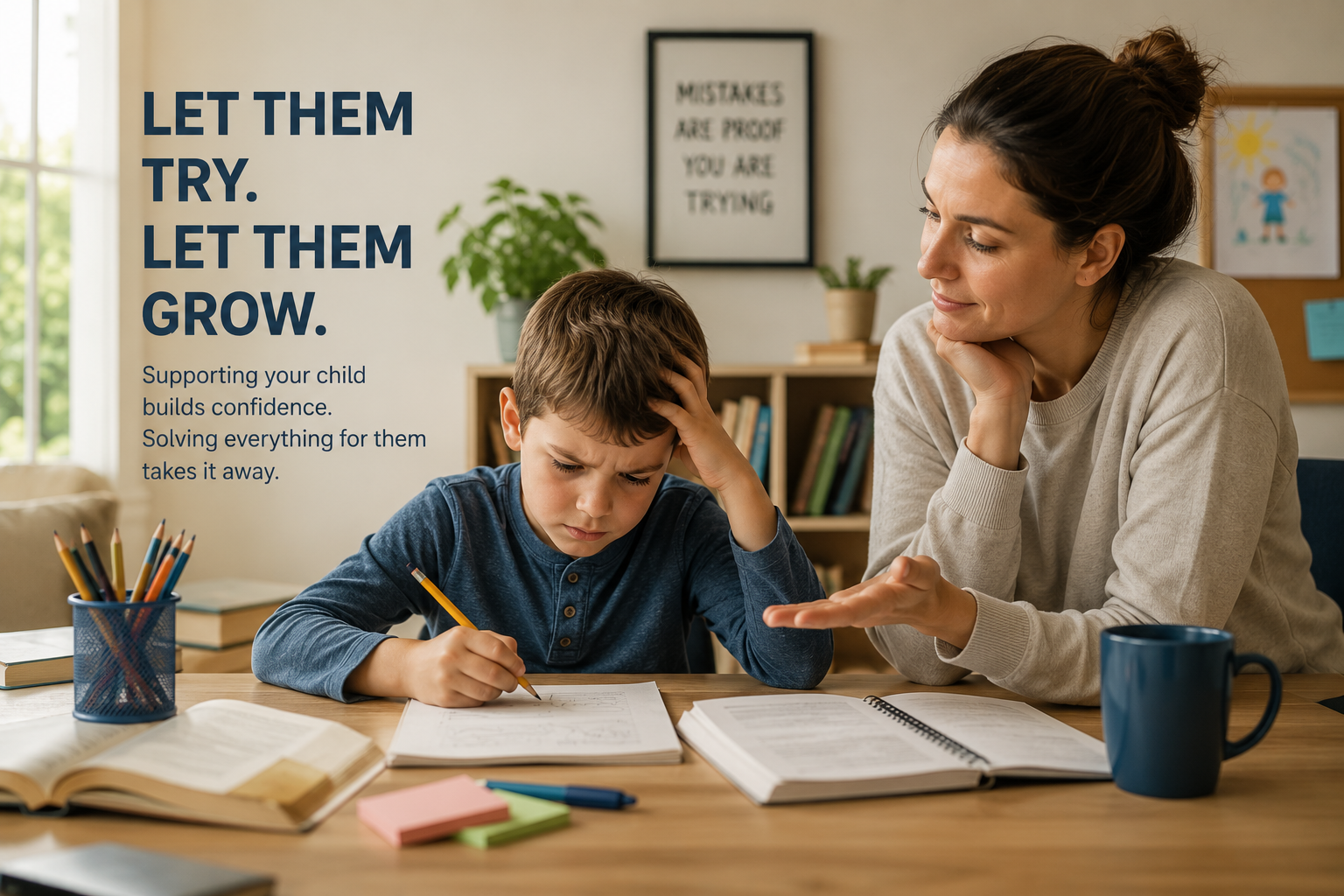
When your child has a conflict with a sibling or a friend, instead of resolving it for them, ask each of them to explain their side — not just what they want, but why the other person should see it that way. This is perspective-taking and persuasion in one exercise, in a context they actually care about.
These small moments, repeated consistently, build something real. Not overnight, but over time. And over time is how all the things that actually matter are built.
Questions Parents Often Ask
Is this really appropriate for kids? It feels very adult.
The ability to communicate clearly, to understand other people, and to express ideas in a way that lands — these are not adult skills. They are human skills. Children who develop them are not becoming mini-adults. They are becoming better versions of themselves, with more tools for navigating the relationships and situations that matter to them right now, as children. The same skills that help a twelve-year-old get their group to go with their idea will help that same person twenty years later make a case for something that matters in their career. The earlier the practice begins, the deeper the capability goes.
My child is very shy. Won't this just make them more anxious?
This is the concern I hear most often, and I understand it. But in my experience, shy children are often the ones who benefit most from this kind of learning — when it is done right, which means gradually, in safe environments, with real support. Shyness is almost never about not having something to say. It is about not feeling safe saying it. Children who have enough positive experiences of expressing an idea and being genuinely heard start to build a different relationship with speaking. It does not happen fast. But it happens.
Isn't this just teaching kids to be manipulative?
Manipulation is about getting what you want regardless of whether it is good for the other person. What we are talking about is something entirely different: helping another person genuinely understand something, in a way that lets them make an informed decision. That is not manipulation. That is respect. And children who learn the difference between the two — which good entrepreneurship education makes very explicit — become more ethical communicators, not less.
Final Thoughts
I started KidStartupper because I kept watching children with real ability get stuck — not because they were not smart enough, not because they did not work hard enough, but because nobody had ever taught them how to make another person care about what they were doing.
That gap costs people. It costs them opportunities. It costs them relationships. It costs them the ability to turn their ideas into anything real.
Teaching children to sell — in the real sense, the human sense — closes that gap. It gives them a skill that school almost never provides and that adult life constantly demands. It builds confidence that comes from evidence, not praise. It develops empathy, resilience, and the kind of clarity that only comes from having to make someone else understand what you are thinking.
These are not nice extras. They are fundamentals. And the children who develop them early carry an advantage that only grows over time.
If you want your child to start developing these skills — communication, persuasion, entrepreneurial thinking, and the confidence to turn ideas into something real — through a structured, project-based program designed for ages 10 to 15, I would love for you to try KidStartupper. We offer a free trial, and the first session alone usually shows parents something about their child they had not seen before.
start your child's free trial here
You may also find these articles helpful:
school alone is no longer enough
most schools still train employees, not entrepreneurs
the kids who will thrive in the AI era