
Communication Skills for Kids: Why They Matter More Than Ever
Many parents today focus heavily on academic success.
They want their children to perform well in school, understand technology and prepare for future careers.
But there is one skill that influences almost every area of a child’s life — and it is often underestimated:
communication.
A child who can communicate clearly often finds it easier to:
- express ideas
- build friendships
- solve conflicts
- ask questions
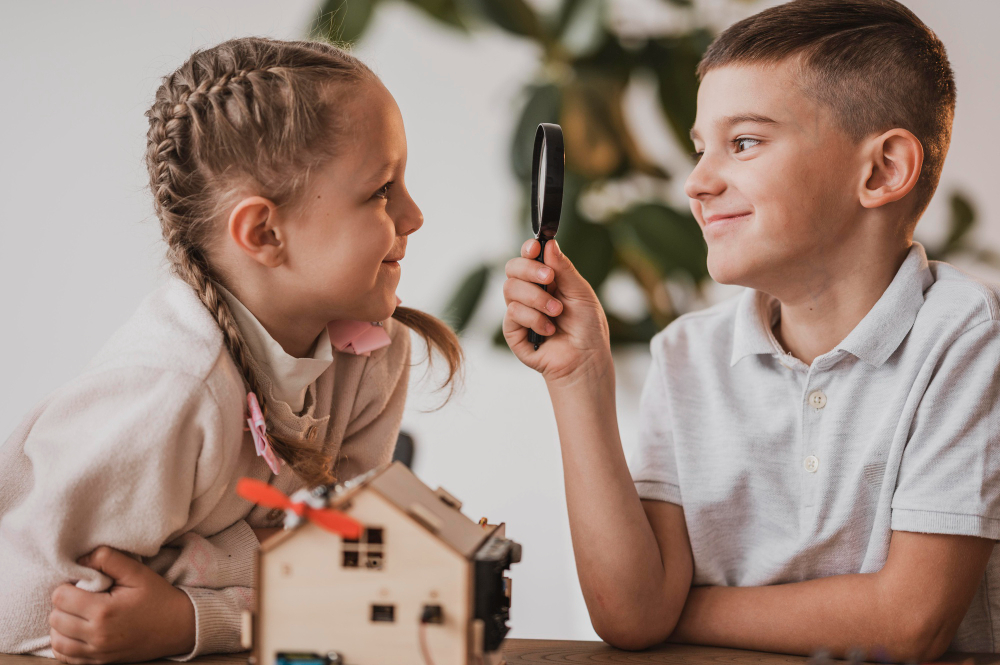
- work with others
- present projects confidently
Communication is not only about speaking.
It is about helping children feel confident expressing what they think, feel and imagine.
And in a world increasingly shaped by technology and artificial intelligence, human communication skills are becoming even more valuable.
Why Communication Skills Matter So Much Today
Children today are growing up in a very different environment than previous generations.
Many interactions now happen through screens.
Children text, watch videos and spend large amounts of time consuming digital content.
While technology offers many benefits, it can also reduce opportunities for real conversations.
This is one reason communication skills are becoming increasingly important.
The ability to:
- explain ideas clearly
- listen carefully
- work collaboratively
- present thoughts confidently
will remain valuable no matter how much technology changes.
Communication Affects Confidence
Many children have ideas in their minds but struggle to express them.
Sometimes they worry about saying the wrong thing.
Other times they simply do not know how to organize their thoughts.
When children improve communication skills, something important happens:
their confidence grows.
A child who successfully explains an idea, tells a story or presents a project begins to feel more capable.
This confidence often extends into school, friendships and future opportunities.
Real-Life Example
A parent once noticed that their 11-year-old child rarely spoke during group activities.
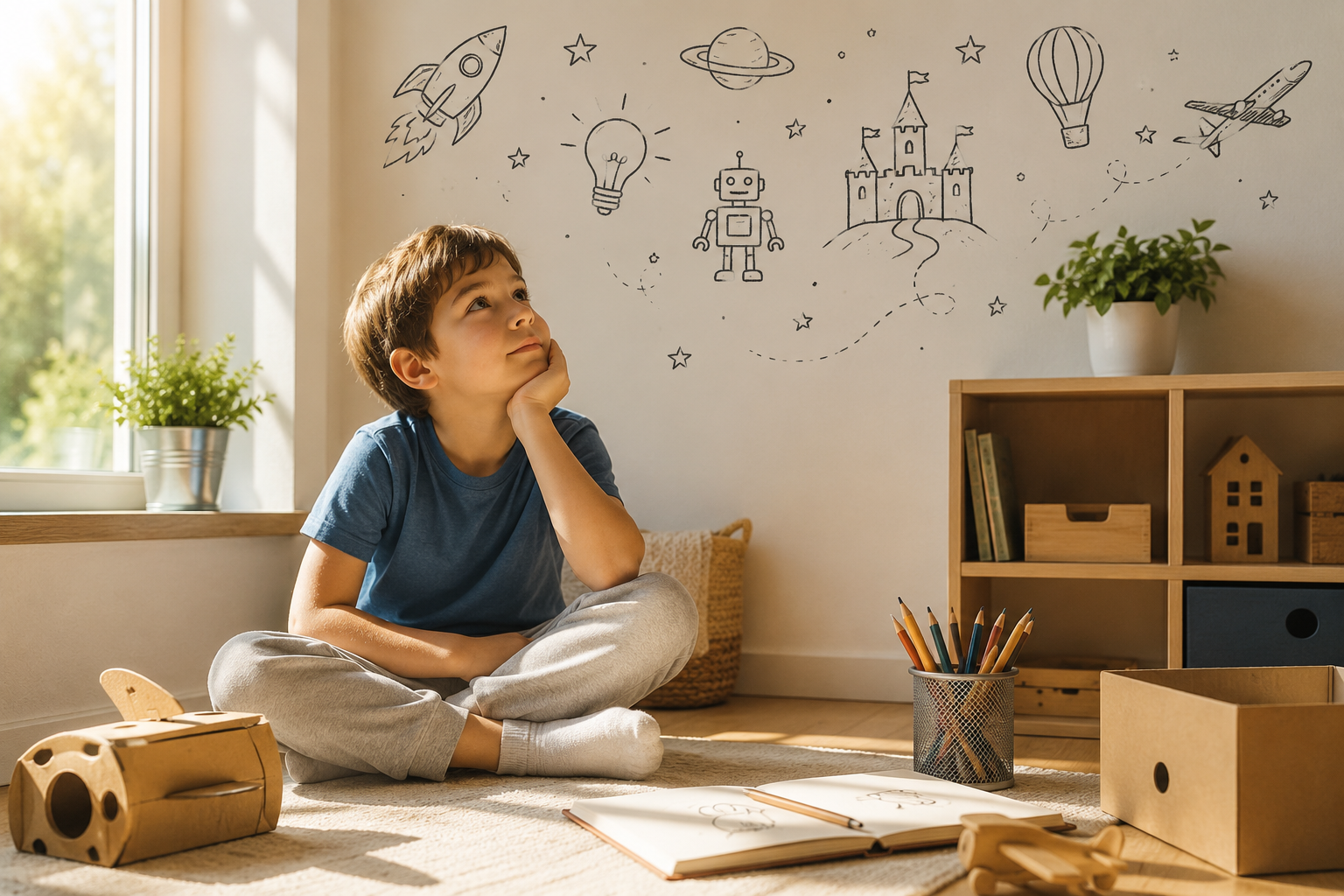
At home, however, the child constantly shared creative ideas about games and inventions.
The problem was not imagination.
The problem was confidence in communication.
The parent began encouraging the child to explain ideas step by step during family discussions.
At first, the child spoke very briefly.
But over time, they became more comfortable presenting thoughts and answering questions.
A few months later, teachers noticed that the child participated more actively in class discussions.
This shows how communication skills can gradually change the way children see themselves.
Why Some Kids Struggle With Communication
Communication difficulties do not always mean a child lacks intelligence or creativity.
In fact, some highly creative children struggle to express ideas clearly because their thoughts move quickly.
Other children may:
- feel shy
- fear judgment
- lack practice speaking in groups
- avoid situations where they feel uncomfortable
Communication is a skill.
And like every skill, it improves with practice.
How Parents Can Help Kids Improve Communication Skills
1. Encourage Real Conversations
One of the simplest but most powerful things parents can do is create space for conversation.
Not just short questions like:
“How was school?”
But deeper conversations.
For example:
- What was the most interesting thing you learned today?
- If you could change one thing at school, what would it be?
- What problem would you like to solve in the world?
These questions help children organize thoughts and express ideas more clearly.
2. Allow Children Time to Speak
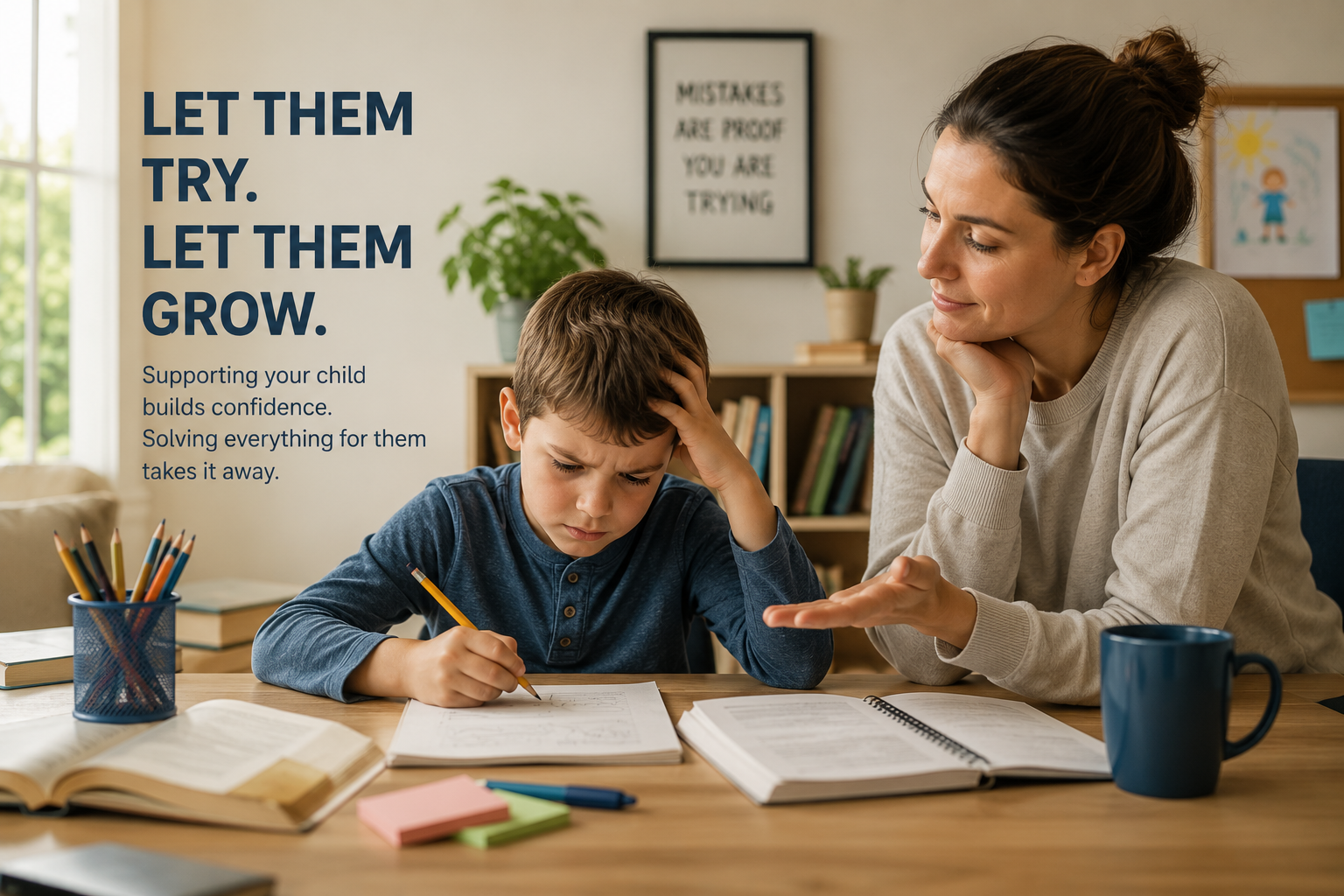
Sometimes adults unintentionally interrupt children or finish sentences for them.
This can reduce confidence.
Children need time to think and express themselves fully.
Even if they speak slowly or struggle to explain something, patience matters.
3. Encourage Storytelling
Storytelling is one of the best ways to improve communication.
Children can:
- tell stories about their day
- invent fictional stories
- describe imaginary scenarios
- explain how they solved a problem
This helps them learn structure, sequencing and expression.
4. Practice Presenting Ideas
Children gain confidence when they present ideas to others.
For example:
- explaining a drawing
- presenting a project
- describing an invention idea
- sharing a game they created
These small experiences prepare children for larger situations later in life.
5. Teach Listening Skills
Communication is not only speaking.
Listening is equally important.
Children who learn to listen carefully become better collaborators and problem solvers.
Parents can model this behavior by actively listening to children instead of immediately reacting.
Communication and Entrepreneurship
Communication plays a huge role in entrepreneurship and leadership.
Children who can explain ideas clearly often feel more comfortable:
- working with teams
- sharing projects
- asking questions
- presenting creative solutions
This is one reason communication is strongly connected to entrepreneurial thinking.
You may also find these articles useful:
Questions Parents Often Ask
What if my child is shy?
Shyness is normal.
The goal is not to force children to become extremely outgoing.
The goal is to help them feel comfortable expressing themselves gradually.
Can communication skills really improve over time?
Yes.
Children improve communication through practice, encouragement and positive experiences.
Do communication skills affect school performance?
Absolutely.
Children who communicate effectively often participate more in class, ask more questions and collaborate more easily with others.
What activities help communication development?
Activities such as storytelling, role-playing, presenting projects and group discussions can help significantly.
How Communication Skills Help in the Future
As technology continues to evolve, human skills become increasingly valuable.
Artificial intelligence may automate many technical tasks.
But skills such as:
- communication
- leadership
- creativity
- empathy
- collaboration
will remain extremely important.
Children who develop these abilities early gain an advantage in school, future careers and relationships.
A Structured Way to Help Kids Develop Communication Skills
Many parents want to help children become better communicators but are unsure where to begin.
Structured learning environments that encourage projects, collaboration and idea-sharing can help children practice communication naturally.
If you want your child to explore creativity, innovation and communication through guided lessons and interactive projects, you can learn more here:
entrepreneurship lessons for kids from home
Final Thoughts
Communication skills influence almost every part of a child’s future.
Children who learn how to express ideas, explain thoughts and communicate confidently often feel more capable in many areas of life.
And the good news is that communication does not improve through pressure.
It improves through practice, conversation and supportive everyday experiences.