
25 Business Ideas for Kids That Actually Work in Real Life
A few years ago, one of my students — a thirteen-year-old girl who had never shown much interest in anything business-related — came to class with a small notebook. Inside were sketches of bracelets she had been making at home and a list of names: friends who had asked her to make one for them.
She had not set out to start a business. She had just made something she enjoyed making, and people wanted it.
By the end of that school year, she had designed fourteen different styles, kept a waiting list, and — without anyone telling her to — had started thinking about how to make the process faster so she could take more orders. She was learning pricing, time management and customer communication. None of it felt like learning. It felt like her project.
That is the power of a business idea for a child. Not the money. Not the entrepreneurship. The thinking that happens when a child takes something seriously and tries to make it work.
The twenty-five ideas below are not complicated. Most require nothing more than time, a little guidance and permission to try. What they offer in return is experience that school alone cannot provide.
What Children Actually Learn From These Ideas
Before the list, it is worth being clear about what the goal is — because it is not profit.
When a child works on a real idea, even a very small one, they encounter problems that require genuine thinking. They have to decide things. They have to communicate. They face the experience of something not working and figure out whether to give up or try differently.
These moments — not the end result — are where the learning happens. A child who runs a lemonade stand for one afternoon and makes three euros has not become an entrepreneur. But they have experienced what it feels like to create something, offer it to someone and receive a response. That experience builds something.
With that in mind, here are twenty-five ideas that work — meaning they are realistic for children aged 10 to 15, can be started at home with minimal resources, and create genuine learning opportunities.
1. Lemonade Stand
The oldest idea on this list and still one of the best. Not because of the lemonade, but because of what the preparation requires: deciding on a price, estimating how much to make, choosing a location, and talking to strangers.
I once asked a group of twelve-year-olds to run a lemonade stand during a school open day. The product was simple. What was not simple was agreeing on a price. One student wanted to charge fifty cents. Another insisted on one euro fifty. The negotiation that followed — and the data they collected on how many cups sold at each price — taught them more about economics than any lesson I could have planned.
2. Handmade Crafts
Bracelets, bookmarks, painted stones, paper decorations — whatever your child enjoys making. The business idea is not the craft itself. It is the experience of deciding what to make, who might want it, how to present it and what a fair price might be.
Many children who start this way discover something important: making something for yourself and making something for someone else require completely different kinds of thinking. That shift — from creating for pleasure to creating for a purpose — is a significant moment in a child's development.
3. Pet Sitting
Neighbours who travel need someone reliable to check on their pets, fill food and water bowls and spend a little time with an animal that would otherwise be alone. For a child who is responsible and loves animals, this is a natural fit.
What makes this idea valuable is the trust involved. A neighbour does not hand their key to just anyone. When a child earns that trust and maintains it consistently, they learn something about reputation that is very difficult to teach in a classroom.
4. Dog Walking
Similar to pet sitting but more regular. A child who commits to walking a neighbour's dog three times a week is learning something most adults struggle with: showing up consistently, regardless of whether they feel like it.
Reliability is one of the most valued qualities in adult professional life. A child who builds it early — through something as simple as a dog walking commitment — carries that habit forward.
5. Tutoring Younger Children
A child who is strong in a subject can help a younger student who is struggling. This works particularly well for subjects like maths, reading or a foreign language.
What surprises many parents is how much the tutor gains from this, not just the student. Explaining something clearly to someone else requires a deeper understanding than simply knowing it yourself. I have seen students who thought they understood a concept realise — only when trying to teach it — that there were gaps in their own understanding. Filling those gaps changed how confident they felt about the subject entirely.
6. Yard Work Help
Sweeping, raking leaves, watering plants, helping tidy an outdoor space. These are small tasks that many people — particularly elderly neighbours — genuinely appreciate help with.
The lesson here is straightforward: identify a real need, offer a real solution, deliver it reliably. That is the simplest possible description of what a business does. A child who does this successfully has understood something fundamental.
7. Selling Homemade Snacks
With parental supervision, a child can prepare simple food — biscuits, energy balls, flavoured popcorn — and offer them at a family gathering, a school event or to neighbours.
Food involves immediate feedback. People either enjoy it or they do not, and they tell you — with their expressions if not their words. For a child, this honest, immediate response is incredibly valuable. It teaches them that quality matters and that the person receiving something has a genuine perspective worth considering.
8. Digital Drawing and Design
Children who enjoy drawing can explore digital tools — many of which are free — to create simple designs, illustrations or personalised images for family members or friends.
The skill itself is increasingly valuable. But more importantly, a child who learns to create something digitally and share it with others is developing comfort with tools and processes that will be relevant throughout their adult lives.
9. YouTube Channel Planning
Not necessarily publishing — though that is an option — but planning. What would the channel be about? Who is the audience? What would each video cover? How often would it be posted?
This planning process teaches children to think strategically about communication and content in a way that is directly relevant to the world they are growing up in. I have used this exercise in class and been consistently surprised by how seriously children take it when they know the plan could actually become real.
10. Board Game Design
As I mentioned in our guide on problem solving activities for kids, designing a board game is one of the richest thinking exercises available to a child at home. As a business idea, it goes one step further: can you make something that other people actually want to play?
The test of playing the game with real people — and watching their reactions — is an early lesson in the difference between what you think is good and what your audience experiences. That gap, and what you do about it, is at the heart of every creative and commercial endeavour.
11. Toy Organisation Service
For families with younger children, a ten or eleven-year-old who creates a clear, usable system for organising toys is solving a genuine problem. Labels, categories, boxes with pictures — the solution can be simple. The value is real.
This idea works best when the child is given creative freedom to design the system rather than simply being told what to do. The ownership changes the experience entirely.
12. Birthday Party Helper
Helping to organise games, activities and small surprises for a younger sibling's birthday party or a family celebration. A child who takes genuine responsibility for making an event enjoyable for others — rather than just attending — learns something important about what it means to serve someone else's needs.
13. Room Organisation Service
Some children have a natural talent for creating order. If your child is one of them, this is an idea worth exploring. Helping a friend, a family member or even a neighbour organise a room, a wardrobe or a study area is a small but genuinely useful service.
The communication involved — asking what the person needs, understanding how they use the space, checking whether the result works for them — develops listening and empathy in a practical context.
14. Book Exchange Organiser
A child sets up a simple system among friends or neighbours to share and exchange books. This requires thinking about logistics: how do you track who has what? What happens if someone does not return a book? How do you make sure everyone has access to books they actually want to read?
Small as it is, this is a genuine operational challenge. Children who work through it develop systems thinking in a context that feels meaningful rather than abstract.
15. School Supplies Organiser
Designing and selling simple organisation systems for school bags or desks — custom dividers, labelled pouches, colour-coded folders. This works especially well at the beginning of a school year when both children and parents are thinking about preparation.
16. Art Lessons for Younger Kids
A child who draws or paints confidently can offer simple lessons to younger children in the neighbourhood. The session does not need to be formal — an afternoon teaching a seven-year-old to draw animals or make a collage is enough.
Teaching anything to a child younger than yourself requires patience, clear communication and the ability to break a skill down into steps small enough for someone else to follow. These are not simple abilities. They take practice to develop.
17. Photography Projects
With a phone or a basic camera, a child can begin documenting events, places or people with genuine attention and care. Family gatherings, neighbourhood scenes, the progression of a garden across seasons — the subject matters less than the habit of looking carefully and making deliberate choices.
Photography teaches children to slow down and observe. In a world that moves very fast, that ability is rarer and more valuable than it appears.
18. Recycling and Upcycling Projects
Turning old or discarded materials into something usable or decorative. A child who takes an old jar and turns it into a plant pot, or uses cardboard packaging to build an organiser, is practising exactly the kind of resourceful thinking that serves people well throughout their lives.
This idea connects naturally to environmental awareness — a topic that matters deeply to many children in this age group. That personal investment makes the work feel meaningful in a way that sustains effort over time.
19. Plant Care Service
For neighbours who travel regularly, a reliable child who waters plants and checks on them is solving a genuine problem. This is particularly valuable in warmer months when plants need daily attention.
Like dog walking, the value of this idea is in the consistency it requires. Showing up on the day you said you would, even when nothing interesting is happening, is a discipline that shapes character.
20. Tech Help for Family Members
Most children aged 10 to 15 understand technology in a way that many adults in their lives do not. Helping a grandparent set up a video call, organise photos on a phone or understand how to use a new device is a genuine service — and one that requires patience and the ability to explain things clearly to someone who thinks differently.
I have seen this simple idea create remarkable connections between children and older family members who previously had little in common. The child gains confidence. The adult feels supported. Both discover something about each other.
21. Greeting Card Design
Personalised cards for birthdays, celebrations or simply to say thank you. In an era of digital messages, a handmade or thoughtfully designed card carries weight that a text message cannot.
A child who makes cards with genuine care — thinking about who will receive it, what would make them smile, what the occasion means — is practising empathy and creativity simultaneously.
22. Small Event Organiser
Planning the games, activities and structure of a small gathering — a family afternoon, a group of friends, a neighbourhood get-together. This requires thinking about what different people enjoy, managing time and adapting when something is not working.
Event planning at any scale is a masterclass in problem solving under pressure. Children who try it discover very quickly that the gap between a plan and reality requires constant, creative adjustment.
23. Custom Stickers and Labels
Designing personalised stickers, name labels or decorative tags. With simple tools — even just paper, pens and a laminator — a child can create products that people genuinely want.
The design process itself is valuable: understanding what someone else finds appealing, rather than only what you personally like, is a skill that develops slowly and matters enormously.
24. Short Story Writing
A child who enjoys writing can create short stories for specific people — a story featuring a younger sibling as the hero, a tale set in a grandparent's hometown, an adventure involving a friend's pet. Personalised stories are gifts that cost very little to make and mean a great deal to receive.
Writing for a specific, known reader — rather than an abstract audience — develops voice, empathy and the discipline of finishing something. All three are difficult. All three are worth building.
25. The Idea Notebook
The simplest idea on this list, and in some ways the most powerful. A child keeps a notebook — physical or digital — where they write down observations, frustrations and questions about the world around them. What bothers people? What is missing? What could be better?
This is not a passive exercise. A child who develops the habit of noticing problems and writing them down is building the most fundamental entrepreneurial skill there is: the ability to see the world not just as it is, but as it could be.
I keep an idea notebook myself. I have for years. The ideas in it are not all good — most are not. But the habit of writing them down keeps my thinking active and curious in a way that nothing else does. A child who starts this habit early carries it for life.
How Parents Can Support Without Overcomplicating It
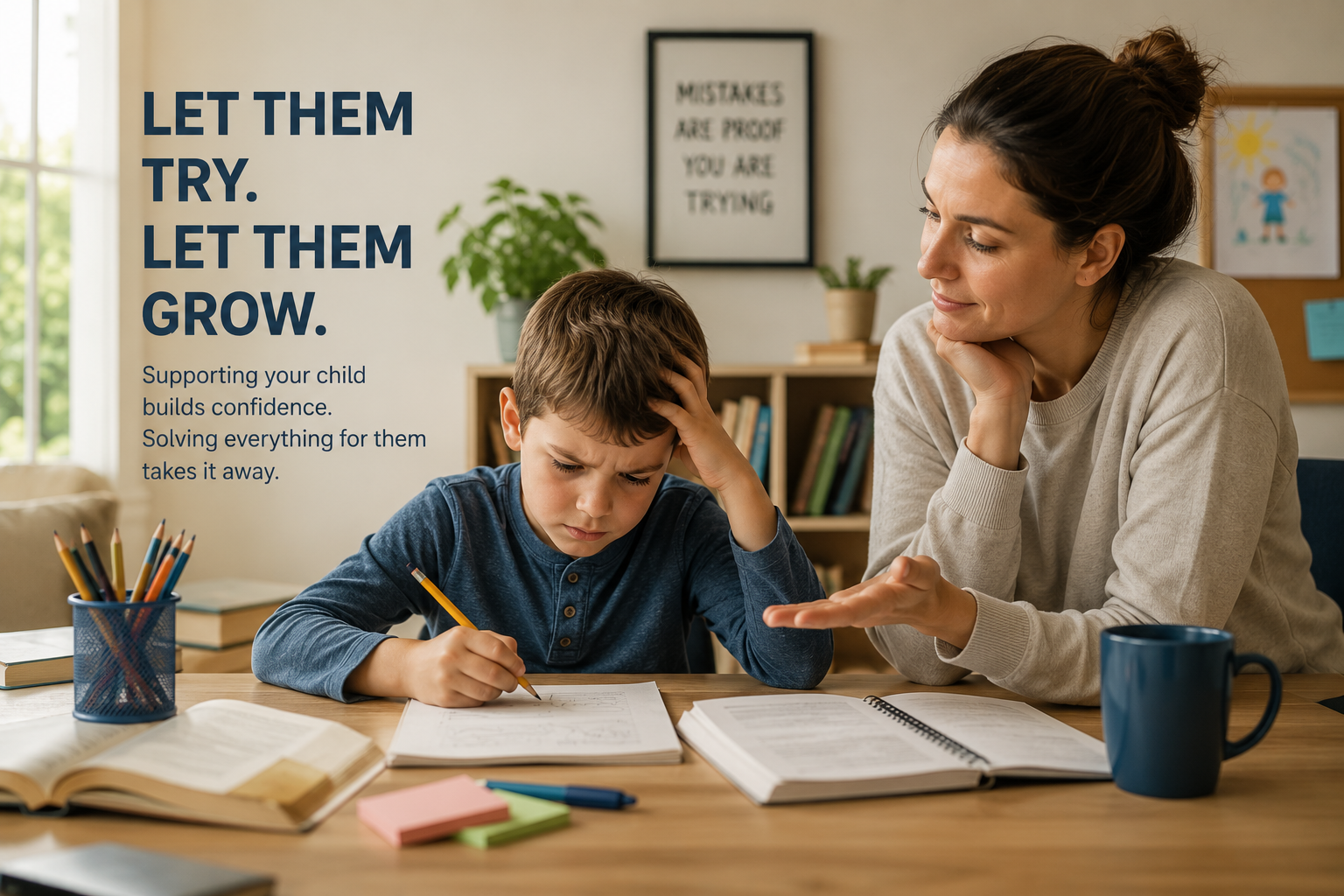
The most common mistake I see parents make with these ideas is taking over. The child mentions an idea and the parent immediately starts improving it, solving problems on their behalf, setting up the logistics.
The result is a project that belongs to the parent, not the child. And a child who learns that their ideas will always be improved upon by someone else stops offering them.
Your role is simpler than you might think: listen, ask questions, stay available, and resist the urge to fix things before your child has had the chance to try. Let them make small mistakes. Let them figure out that the price was too high or the plan did not account for something. These moments — uncomfortable as they can be to watch — are where the real learning happens.
The goal is not a successful business. The goal is a child who has experienced what it feels like to take an idea seriously and do something with it. That experience, repeated over time, builds something that school grades cannot measure but that shapes everything that follows.
You can explore more ideas for developing your child's thinking in our guide on life skills every child should learn before 15.
If you want your child to develop entrepreneurial thinking through structured, project-based lessons designed specifically for ages 10 to 15, you can learn more about the programme here:
entrepreneurship lessons for kids from home