
Entrepreneurship for Kids: The Complete Guide for Parents (Ages 10–15)
More and more parents today are asking a different kind of question about their children’s future.
Not just “Will my child do well in school?” but something deeper:
“Will my child be able to adapt, create and succeed in a changing world?”
The truth is that the world children are growing up in is very different from the one most parents experienced.
New technologies appear constantly. Entire industries evolve. Many of the jobs children will have in the future do not even exist today.
This is why more parents are turning their attention to something that was not traditionally part of education:
entrepreneurship.
But entrepreneurship for kids does not mean starting a company at age 12.
It means something much more important.
It means developing a mindset.
A way of thinking that helps children solve problems, create ideas and take initiative.
What Is Entrepreneurship for Kids?
Entrepreneurship is often misunderstood.
Many people associate it only with business, money or startups.
But at its core, entrepreneurship is about:
- identifying problems
- creating ideas
- taking action
- learning from mistakes
When children develop these abilities early, they gain skills that apply to every part of life.
A child who learns entrepreneurial thinking may not necessarily start a business.
But they will:
- think independently
- adapt to challenges
- approach problems creatively
- take initiative instead of waiting for instructions
Why Entrepreneurship Matters More Than Ever
Traditional education focuses heavily on knowledge.
But knowledge alone is no longer enough.
Children need to learn how to use knowledge in real situations.
For example:
A student may learn mathematics in school.
But entrepreneurship teaches them how to apply thinking to real-world situations.
Such as:
- solving practical problems
- planning projects
- managing ideas
This combination of knowledge and application is what prepares children for the future.
Real-Life Example: The Child Who Saw a Problem
A 12-year-old student noticed that classmates often forgot their homework or felt disorganized.
Instead of ignoring it, the child had an idea.
They imagined creating a better system for organizing school tasks.
At first, it was just a simple thought.
But then they started sketching ideas for a planner.
They asked friends for feedback.
They adjusted the design.
That process — noticing a problem, thinking of a solution, testing ideas — is entrepreneurship.
Not a company. Not a startup.
But a way of thinking.
When Can Kids Start Learning Entrepreneurship?
Many parents wonder if there is a “right age” to begin.
The answer is simpler than most expect.
Children can begin developing entrepreneurial thinking as soon as they start:
- asking questions
- exploring ideas
- solving small problems
For ages 10–15, this is especially important.
This is the stage where children:
- develop deeper thinking
- form interests
- begin building confidence
Key Skills That Build Entrepreneurial Thinking
Entrepreneurship is not a single skill.
It is a combination of abilities.
Some of the most important include:
Problem Solving
Children learn to approach challenges step by step.
If you want practical ways to develop this, you can explore:
problem solving activities for kids
Creative Thinking
Creativity allows children to imagine possibilities and solutions.
See also:
creative thinking activities for kids
Confidence
Children need to believe their ideas matter.
Read more:
how to build confidence in kids
Persistence
Ideas rarely succeed immediately.
Children must learn to continue even when things are difficult.
Why Many Kids Have Ideas but Don’t Take Action
Some children are full of ideas.
They imagine projects, inventions or creative solutions.
But often they stop before turning ideas into reality.
This can happen for several reasons:
- fear of failure
- lack of structure
- low confidence
- not knowing where to start
Parents can play a key role in helping children move from ideas to action.
How Parents Can Teach Entrepreneurship at Home
1. Encourage Ideas
When children share ideas, take them seriously.
Instead of saying “that’s difficult,” ask:
“How do you think it could work?”
2. Break Ideas into Steps
Large ideas can feel overwhelming.
Help children divide them into smaller tasks.
3. Allow Experimentation
Children learn through trial and error.
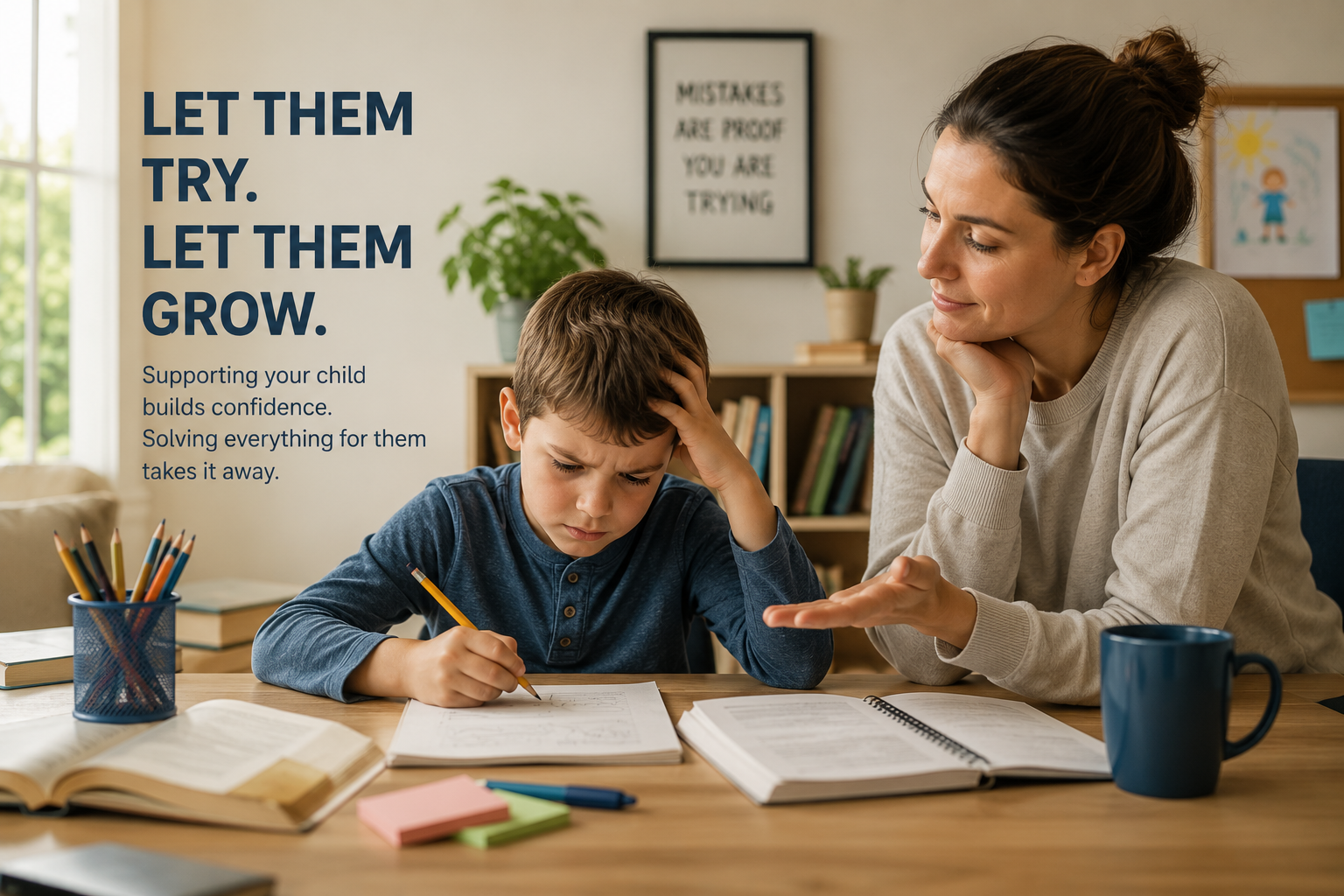
Give them space to try, fail and improve.
4. Focus on Process, Not Perfection
The goal is not perfect results.
The goal is learning.
Parents Often Ask
Can kids really learn entrepreneurship?
Yes. Not as business theory, but as thinking skills.
Do they need to start a business?
No. The focus is on mindset and skills.
What if my child is shy?
Entrepreneurial thinking actually helps build confidence over time.
From Ideas to Projects
One of the most powerful ways children learn entrepreneurship is through projects.
For example:
- creating a small product
- designing a game
- organizing an activity
Projects help children understand how ideas become reality.
Helping Kids Explore Entrepreneurship in a Structured Way
Many parents want to support their children but are unsure how to guide them consistently.
This is where structured learning environments can help.
If you want your child to explore entrepreneurship, creativity and innovation through guided lessons and projects, you can learn more here:
entrepreneurship lessons for kids from home
Final Thoughts
Entrepreneurship is not about starting a business at a young age.
It is about preparing children for a world that requires creativity, adaptability and initiative.
When children learn to think independently, solve problems and explore ideas, they develop skills that will benefit them for life.
And often, the best place to begin is not in a classroom — but at home.