
The Skill Schools Rarely Teach but Kids Need the Most
Parents want their children to succeed in school.
Good grades, strong reading skills, math ability, and scientific knowledge are all important parts of education.
However, many parents eventually notice something interesting.
A child may do well academically but still struggle with something that feels equally important: turning ideas into action.
Many schools teach students how to understand information, but fewer opportunities exist for children to practice how to create something new with that knowledge.
This ability — the ability to take an idea and turn it into something real — may be one of the most important skills children can develop.
The Difference Between Learning and Creating
In traditional education, students often focus on learning answers.
They learn formulas in math, historical facts, and scientific principles.
But in the real world, success often depends on a different ability: creating solutions.
For example, imagine two students who both learn basic coding.
The first student learns how the code works.
The second student starts asking questions such as:
- Could I build a simple game?
- Could I design an app that helps classmates study?
- Could I create something people might actually use?
The difference between these two approaches is creative initiative.
A Real-Life Example: The Lemonade Stand Lesson
One of the classic examples of children's entrepreneurship in the United States is the lemonade stand.
At first glance, it may look like simple play.
But when children create a lemonade stand, they practice many important skills.
They must think about questions such as:
- Where should we place the stand?
- How much should we charge?
- What will attract customers?
- How do we explain what we're selling?
In this process, children move from passive learning to active creation.
Another Example: A Child With an Idea
Consider a student who loves drawing.
One day the student notices that many classmates enjoy decorating their notebooks.
The child decides to design custom covers for friends.
At first the project is small.
But soon the child begins thinking about improvements:
- Which designs do people like most?
- How long does it take to make each one?
- Could I offer different styles?
Without realizing it, the student is practicing creative initiative and entrepreneurial thinking.
Why This Skill Matters for the Future
The world children are growing up in is changing rapidly.
New technologies appear every year. Entire industries evolve or disappear.
Because of this, the most valuable skills of the future may not be limited to memorizing information.
They may include abilities such as:
- creative thinking
- problem solving
- initiative
- adaptability
- collaboration
Children who learn to create ideas and develop projects often become more confident in their ability to shape the world around them.
What Parents Often Notice First
Many parents first notice this skill when their child begins experimenting with ideas.
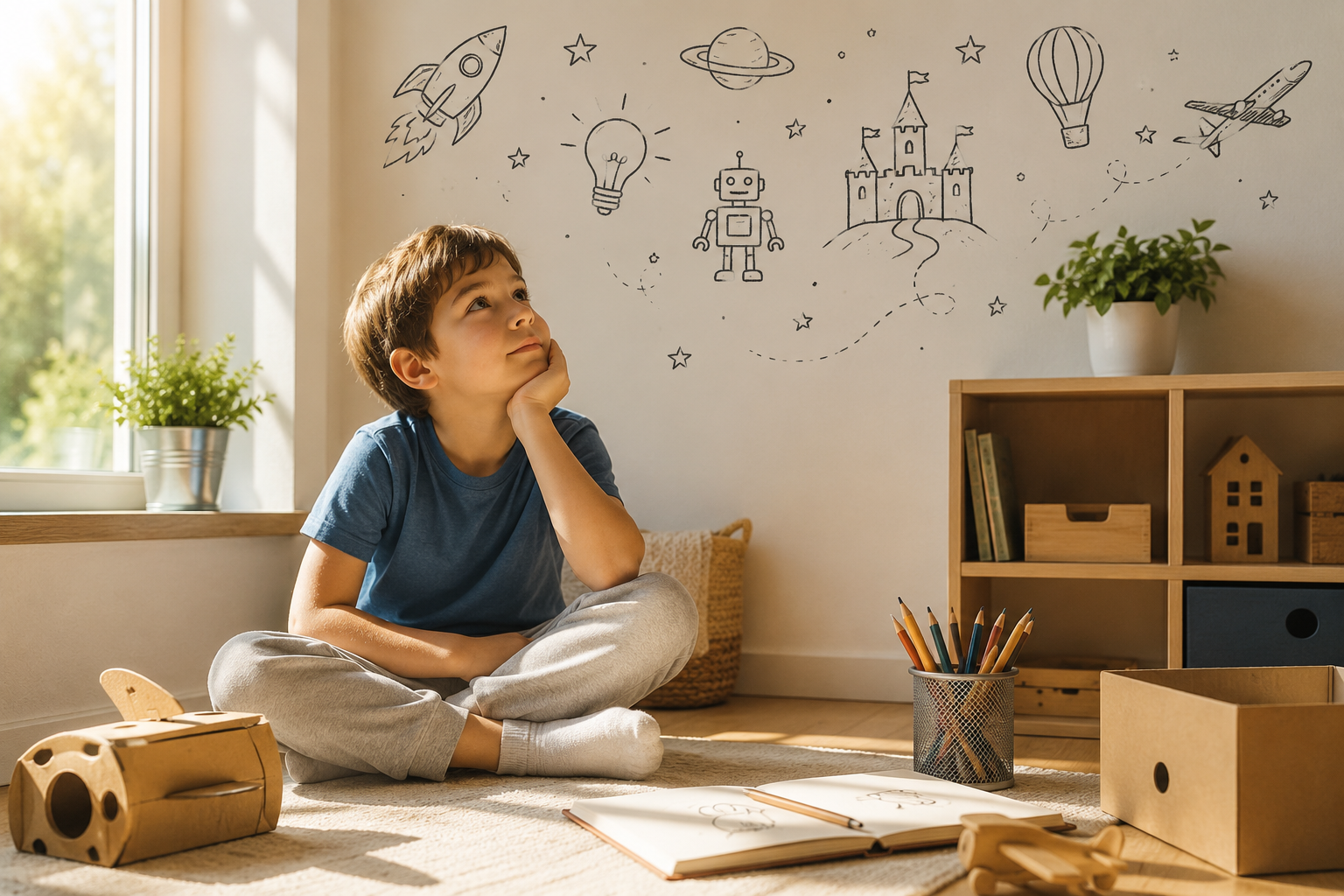
For example, a child may start building something using random materials at home.
A cardboard box becomes a spaceship. A group of toys becomes a small city.
At other times a child may invent a new game for friends.
These moments may seem simple, but they are powerful opportunities for learning.
Encouraging Creative Initiative
Parents can help children develop this ability in simple ways.
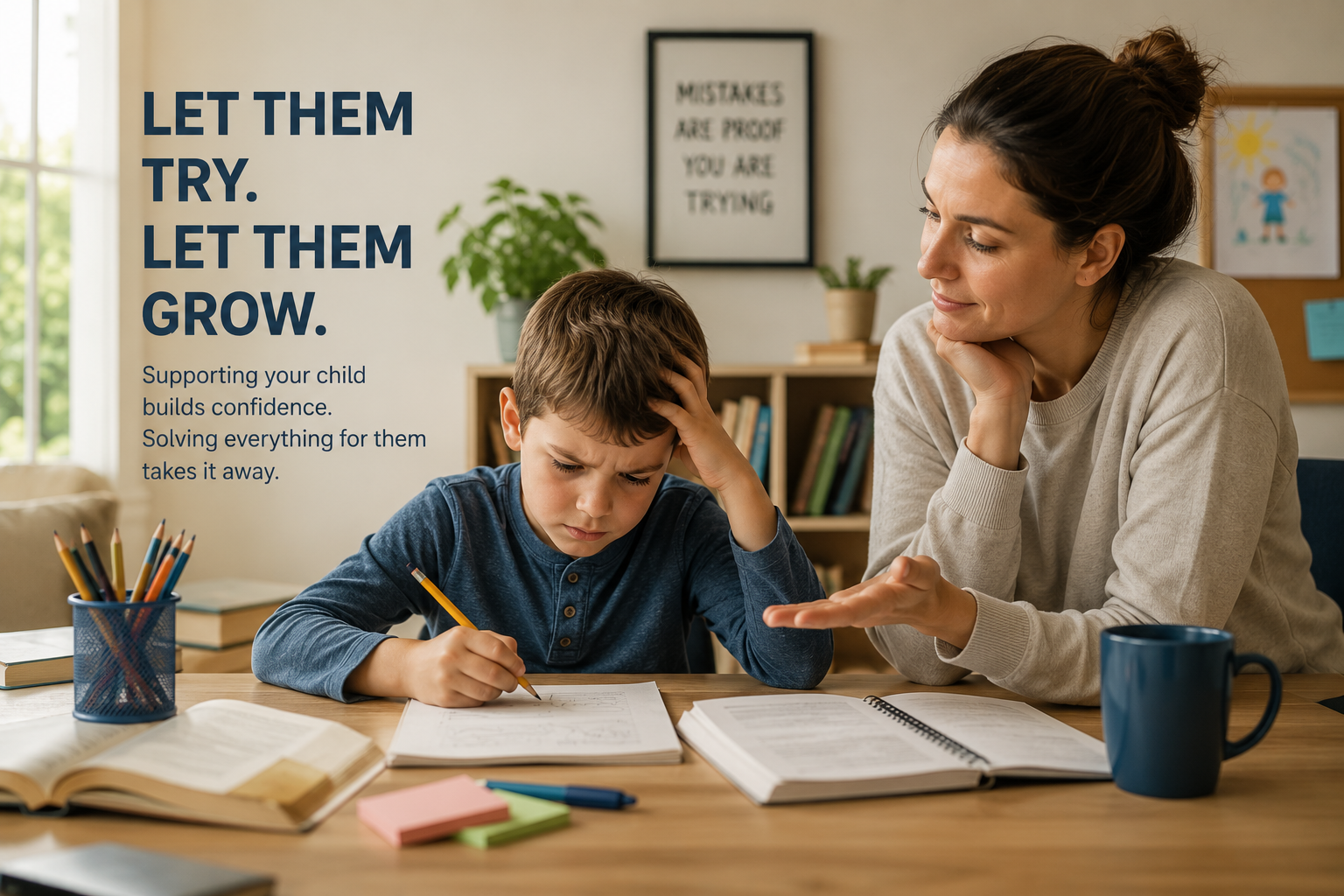
Instead of giving immediate solutions, parents can ask guiding questions such as:
- What do you think we should try?
- How would your idea work?
- What would happen if we tested it?
These conversations encourage children to explore their own thinking.
When Ideas Become Projects
Children learn the most when ideas become real experiences.
Projects help them develop planning, creativity, and communication skills.
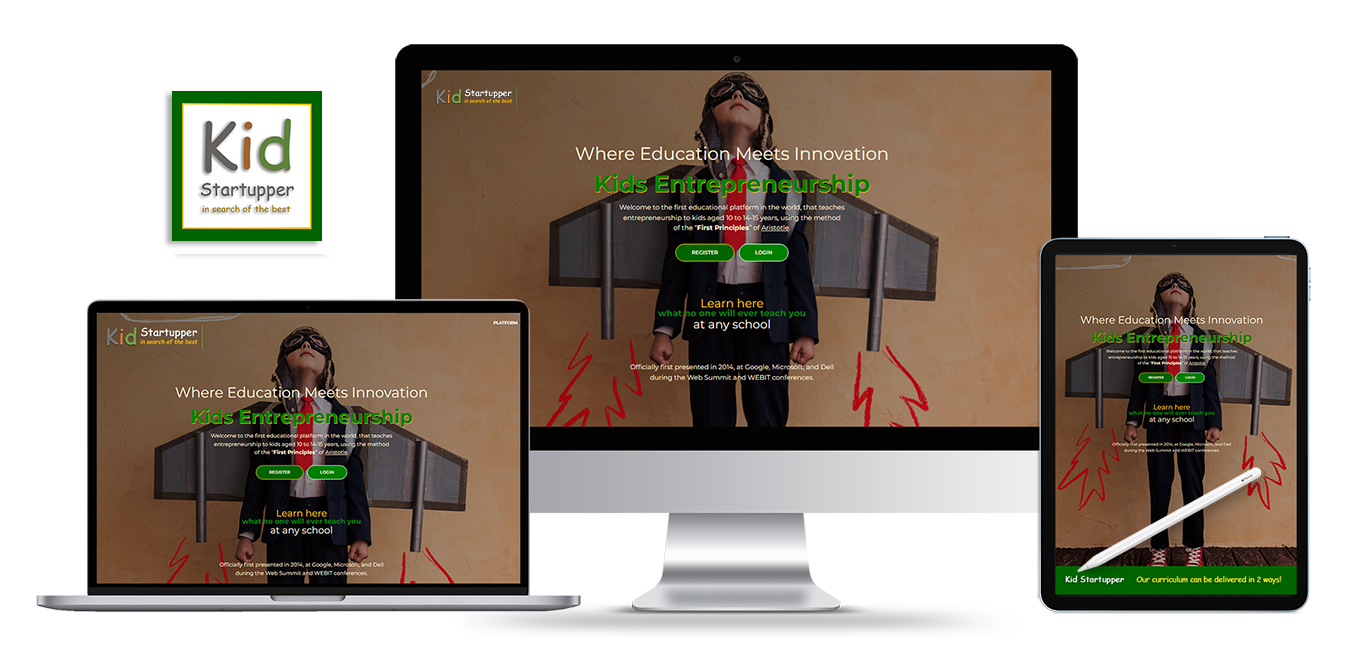
If you want your child to explore creativity, innovation, and entrepreneurial thinking in an interactive learning environment, you can learn more about the KidStartupper learning platform.
The platform allows students ages 10–15 to explore ideas, develop projects, and experience the mindset of creators and innovators.
Preparing Children for a World of Creators
The future will likely reward people who can imagine possibilities and build solutions.
Children who learn how to transform ideas into projects gain more than knowledge.
They gain confidence in their ability to create something meaningful.
And sometimes, the most important lesson a child can learn is that their ideas have the power to become real.