
From Coding to Creating Value: Why Entrepreneurial Thinking May Be the Next Big Step for Students
In the last decade, coding has become one of the most popular skills taught to children around the world.
From Scratch and robotics to Python and game development, millions of students in primary and middle school are learning how to program, build applications, and create digital projects.
Parents see coding as a powerful investment in their children's future. And they are not wrong.
Coding helps children develop logical thinking, problem-solving skills, creativity, and digital literacy — abilities that are essential in today's technology-driven world.
But an important question is beginning to emerge in modern education:
What comes after coding?
Once a child learns how to build digital projects, what is the next step in their educational journey?
Increasingly, educators and researchers believe the answer may lie in something broader: entrepreneurial thinking.
Not entrepreneurship in the traditional adult sense of launching companies — but the mindset of identifying problems, creating solutions, and turning ideas into real value for others.
Coding Teaches Children How to Build
Coding education has expanded rapidly across schools and learning centers worldwide.
Children learn how to:
- break complex problems into smaller steps
- design logical solutions
- experiment and test ideas
- debug and improve their work
- think algorithmically
These abilities form what educators call computational thinking.
Computational thinking helps students approach problems systematically and develop strong analytical reasoning.
In practice, when a child writes code, they are not just learning programming — they are learning how to think.
They experiment, test, fail, and improve. This process is remarkably similar to how innovators and entrepreneurs work.
But coding alone answers only one question:
How do we build something?
It does not automatically answer another important question:
Why should we build it?
And that is where entrepreneurial thinking enters the picture.
The Missing Piece in Many Coding Programs
Many children today learn to build games, apps, and robotics projects.
But after creating them, they rarely explore deeper questions such as:
- Who would actually use this?
- What problem does it solve?
- How could it be improved based on feedback?
- How can we present the idea to others?
- Could it become a useful product or service?
Without this next step, many student projects remain technical exercises rather than meaningful innovations.
Coding teaches children how to build tools.
Entrepreneurial thinking teaches them what to build and why it matters.
Entrepreneurial Thinking Is Not About Business
When people hear the word entrepreneurship, they often imagine adults launching companies or startups.
But entrepreneurship education for children is very different.
At younger ages, entrepreneurial thinking focuses on developing life skills such as:
- creativity
- initiative
- problem-solving
- resilience
- communication
- teamwork
- confidence
Children learn how to identify opportunities, develop ideas, test solutions, and improve them.
These skills are valuable in any career path.
The Natural Connection Between Coding and Entrepreneurship
When we look closely, coding and entrepreneurial thinking are deeply connected.
Coding teaches students to:
- design solutions
- test ideas
- iterate and improve
- solve technical problems
Entrepreneurial thinking teaches students to:
- identify real-world needs
- create useful solutions
- test ideas with real people
- communicate and collaborate
- adapt when something doesn't work
When these two approaches come together, something powerful happens.
A child who learns both skills does not just build technology.
They begin to build solutions that matter.
The Educational Path of the Future
If we examine the direction modern education is taking, a clear learning progression begins to appear.
Coding → Creating → Problem Solving → Innovation → Entrepreneurial Thinking
First, children learn the technical tools.
Then they begin creating projects.
Next, they explore real-world problems.
Finally, they learn how to turn ideas into meaningful solutions.
Why Entrepreneurial Skills Matter for the Future
The world that today's children will grow up in is changing rapidly.
Many future careers do not yet exist.
Success will increasingly depend on skills such as:
- adaptability
- creativity
- problem solving
- initiative
- collaboration
- critical thinking
These are exactly the abilities developed through entrepreneurial learning experiences.
From Coders to Creators
Coding makes a child a builder.
Entrepreneurial thinking makes them a creator of value.
Instead of asking only “How does this program work?”, children begin asking:
“How can this idea help someone?”
That question changes everything.
A New Educational Bridge: Technology and Innovation
Many students learn coding, robotics, and STEM skills.
But they rarely learn how to connect these skills with:
- real-world problems
- innovation thinking
- idea development
- product creation
This is where a new type of educational experience becomes valuable.
Students move from simply building technology to building real impact.
The Role of KidStartupper
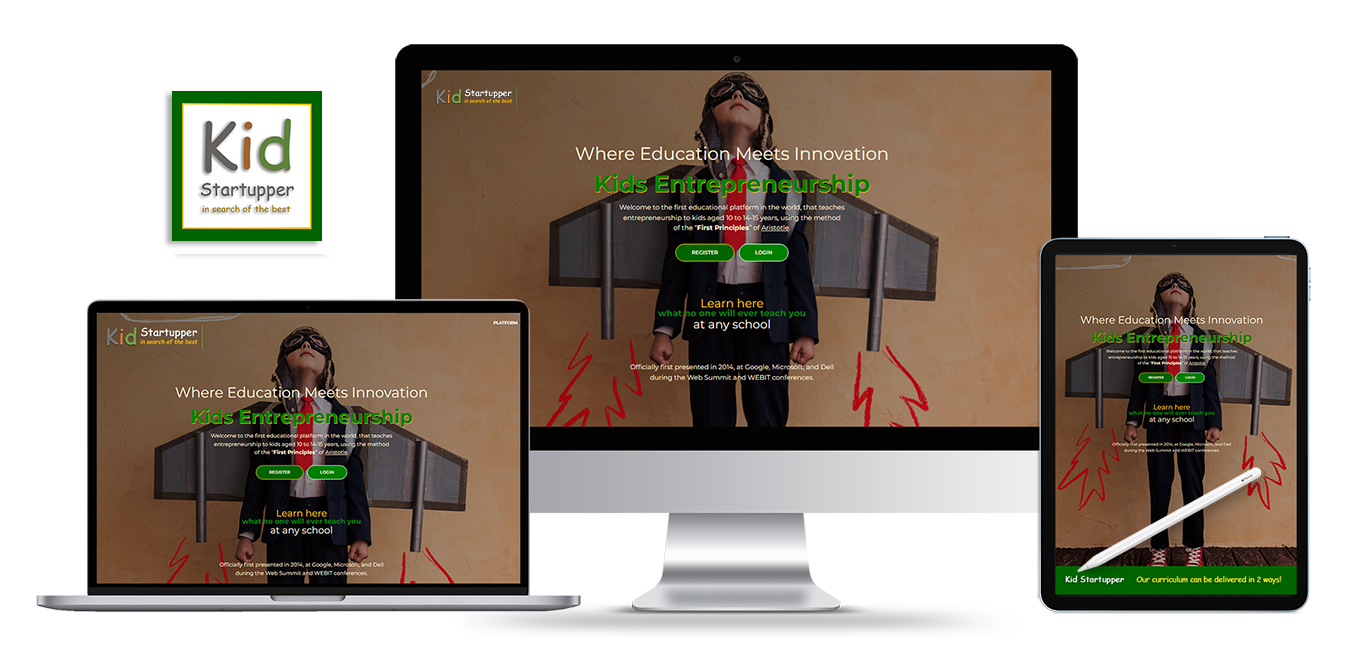
One platform designed to support this learning journey is KidStartupper.
KidStartupper helps students aged 10–15 explore entrepreneurial thinking in a safe educational environment.
Students learn how to:
- develop ideas
- create projects
- present solutions
- explore innovation
For many students who already enjoy coding, robotics, or STEM activities, entrepreneurial learning becomes the natural next step.
Parents who want to explore this type of learning experience can learn more about the platform here:
KidStartupper entrepreneurship learning program for kids
Preparing Children for a World of Creators
The future will belong to people who can combine technology, creativity, and initiative.
Children who learn coding gain a powerful technical foundation.
But children who also develop entrepreneurial thinking gain something even more valuable:
the ability to turn ideas into reality.
They learn not only how the world works, but how they can help shape it.