
Why Some Kids Are Not Afraid to Try New Things (And How Parents Can Encourage This Mindset)
If you observe children in a classroom, a playground, or even during a simple activity at home, you will quickly notice something interesting.
Some kids raise their hands immediately when a question is asked. They share ideas freely, experiment with new games, and enjoy trying things they have never done before.
Other children are more hesitant. They might have great ideas, but they keep them to themselves. They might want to try something new, but they worry about doing it wrong.
This difference is not about intelligence or ability. In many cases, it is simply about mindset.
Children who feel safe exploring ideas are far more likely to take initiative, experiment, and develop creative thinking.
And these qualities are becoming incredibly valuable in today's rapidly changing world.
The Children Who Try New Things Are Not Always the Most Talented
Many parents assume that confident kids are simply “naturally gifted.”
But in reality, confidence often grows from experience.
Children who are encouraged to explore, experiment, and make mistakes gradually learn that trying something new is not dangerous.
Instead, it becomes exciting.
In many classroom activities, when students are asked to invent a new idea or solve a challenge, the children who speak up first are not necessarily the smartest ones.
They are simply the ones who are not afraid of being wrong.
And that difference changes everything.
Fear of Failure Can Start Early
Many children begin to fear mistakes when they believe that everything they do must be perfect.
If a child thinks that making a mistake means doing something “bad,” they may start avoiding situations where mistakes are possible.
Instead of trying something new, they might choose the safest option.
But innovation, creativity, and entrepreneurship rarely grow in safe environments.
They grow through experimentation.
A Simple Example From Everyday Life
Imagine a child who wants to invent a new board game for their friends.
At first, they draw the board on paper and create simple rules.
They invite two friends to test the game.
After a few minutes, they realize the rules are confusing and the game isn't very fun.
This is the moment when two different mindsets appear.
One child might say:
"This game doesn't work."
Another child might say:
"Okay... let's change the rules and try again."
The second response is the mindset that leads to creativity, innovation, and entrepreneurship.
What Parents Can Do to Encourage This Mindset
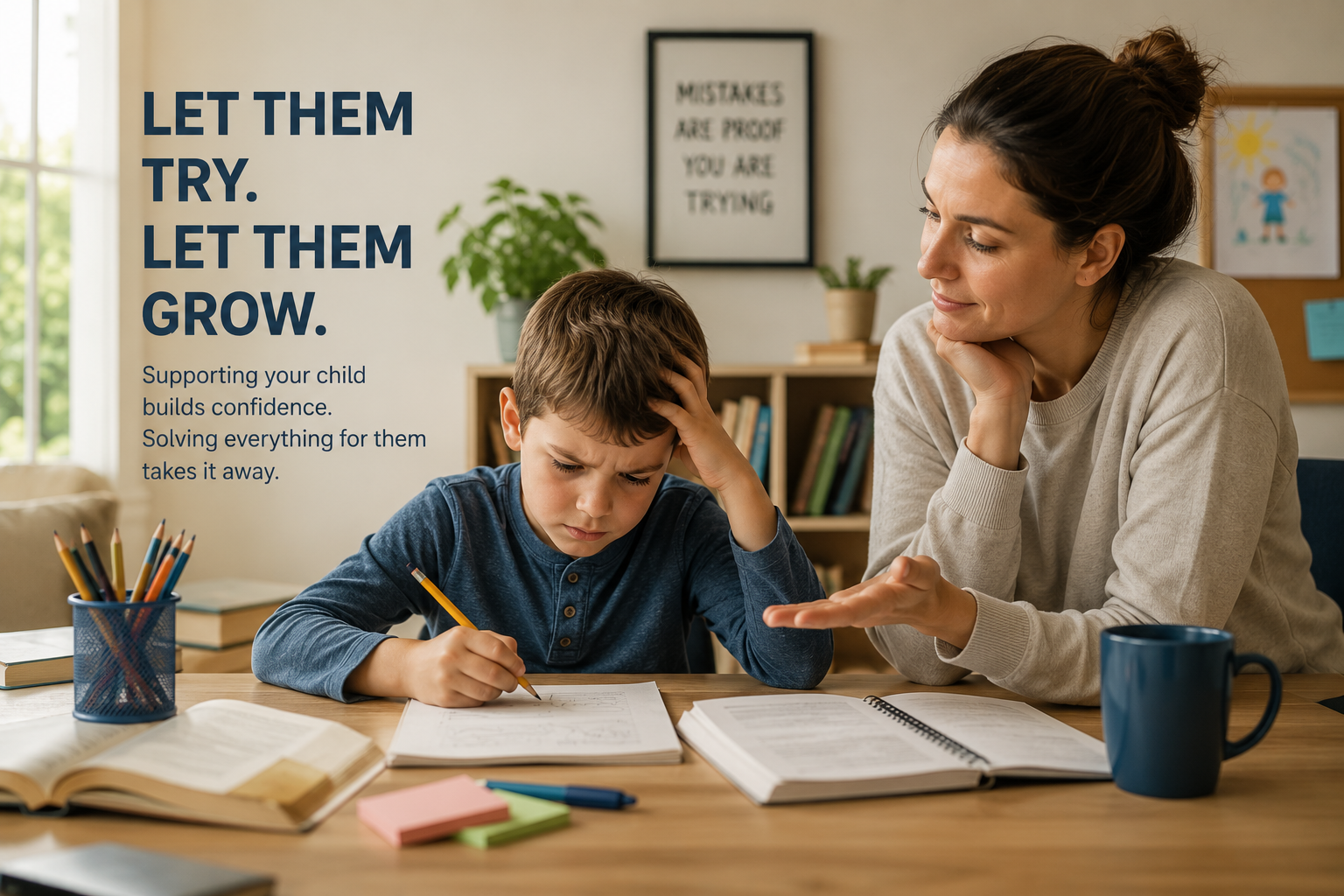
The good news is that parents can help children develop this attitude with small daily habits.
Instead of giving immediate answers, parents can ask guiding questions such as:
- What do you think might work?
- How could you try this idea?
- What could you change if it doesn't work the first time?
Questions like these encourage independent thinking.
They show children that ideas are something to explore, not something to fear.
Give Children Space to Experiment
Children learn best when they are allowed to create and experiment.
For example, a child might:
- design a new board game
- create a short video
- build a small invention using everyday materials
- organize a mini activity for friends
These projects may seem small, but they help children develop initiative and confidence.
More importantly, they help children understand that ideas can turn into real creations.
The Connection to Creative and Entrepreneurial Thinking
The willingness to try new ideas is one of the key traits shared by innovators, creators, and entrepreneurs.
People who build new products, launch startups, or create new solutions rarely succeed on their first attempt.
They experiment, test ideas, adjust their approach, and try again.
Children who develop this mindset early gain a powerful advantage.
They begin to see challenges not as obstacles, but as opportunities to learn.
A Learning Environment That Encourages Exploration
Many parents today are searching for learning environments where children can explore their ideas in a structured and supportive way.
If you want your child to experiment with ideas, build creative projects, and develop entrepreneurial thinking, you can explore the learning experience offered through the KidStartupper entrepreneurship program for students.
The platform introduces children to creativity, innovation, and startup thinking through interactive lessons, projects, and challenges designed specifically for young learners.
The Courage to Try Is a Life Skill
Children who learn to try new ideas without fear develop confidence, resilience, and creativity.
These qualities help them not only in school, but throughout their entire lives.
And sometimes, the biggest ideas begin with a child who simply had the courage to try something new.