
How to Build Confidence in Kids (Without Pressure or Competition)
Many parents quietly worry about the same question.
They watch their child hesitate before trying something new. Maybe it’s raising their hand in class. Maybe it’s speaking in front of others, trying a new sport, or sharing an idea.
The child might say things like:
“I can’t do this.”
“I’m not good at it.”
“What if I fail?”
In those moments parents often wonder how they can help their child feel more confident.
Confidence is not something children are simply born with. It develops slowly through experiences, encouragement, mistakes and small successes.
And the most powerful confidence often grows in environments where children feel safe to explore ideas rather than pressured to perform perfectly.
What Confidence Really Means
When adults talk about confidence, they sometimes imagine children who are loud, outgoing or naturally comfortable in social situations.
But real confidence is not about personality.
Confidence means a child believes they can try something, learn from mistakes and improve over time.
A confident child may still feel nervous. They may still experience uncertainty.
The difference is that they are willing to try.
Confidence is closely connected to other skills such as problem solving, creativity and initiative.
Children who believe their ideas matter are more likely to explore them.
Why Some Children Struggle With Confidence
There are many reasons children may hesitate or doubt themselves.
Sometimes it happens when they compare themselves to others. A child who sees classmates performing better in school or sports may begin to believe they are not capable.
Other times it happens because children receive too much pressure to perform well. When every activity feels like a test, children become afraid of making mistakes.
Confidence can also weaken when children do not have opportunities to explore their interests freely.
If most of their experiences involve strict instructions and evaluation, they may not develop trust in their own ideas.
Situation #1: A Child Who Is Afraid to Try
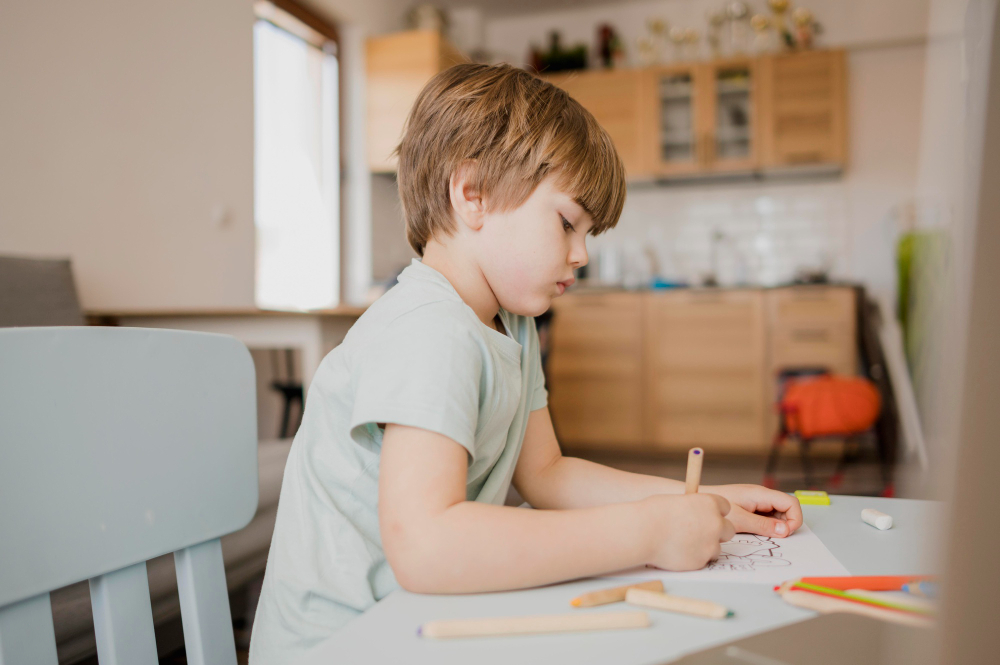
Imagine a 12-year-old student who enjoys drawing but refuses to join the school art club.
When asked why, the child says:
“Everyone there is better than me.”
This situation is very common.
Children often assume that if they are not immediately good at something, they should avoid it.
A helpful response from a parent might be:
“Nobody starts as the best. The interesting part is learning and improving.”
When children understand that skills grow through practice, they begin to see effort differently.
Situation #2: The Child Who Gives Up Quickly
Another common scenario appears when children abandon projects as soon as they encounter difficulty.
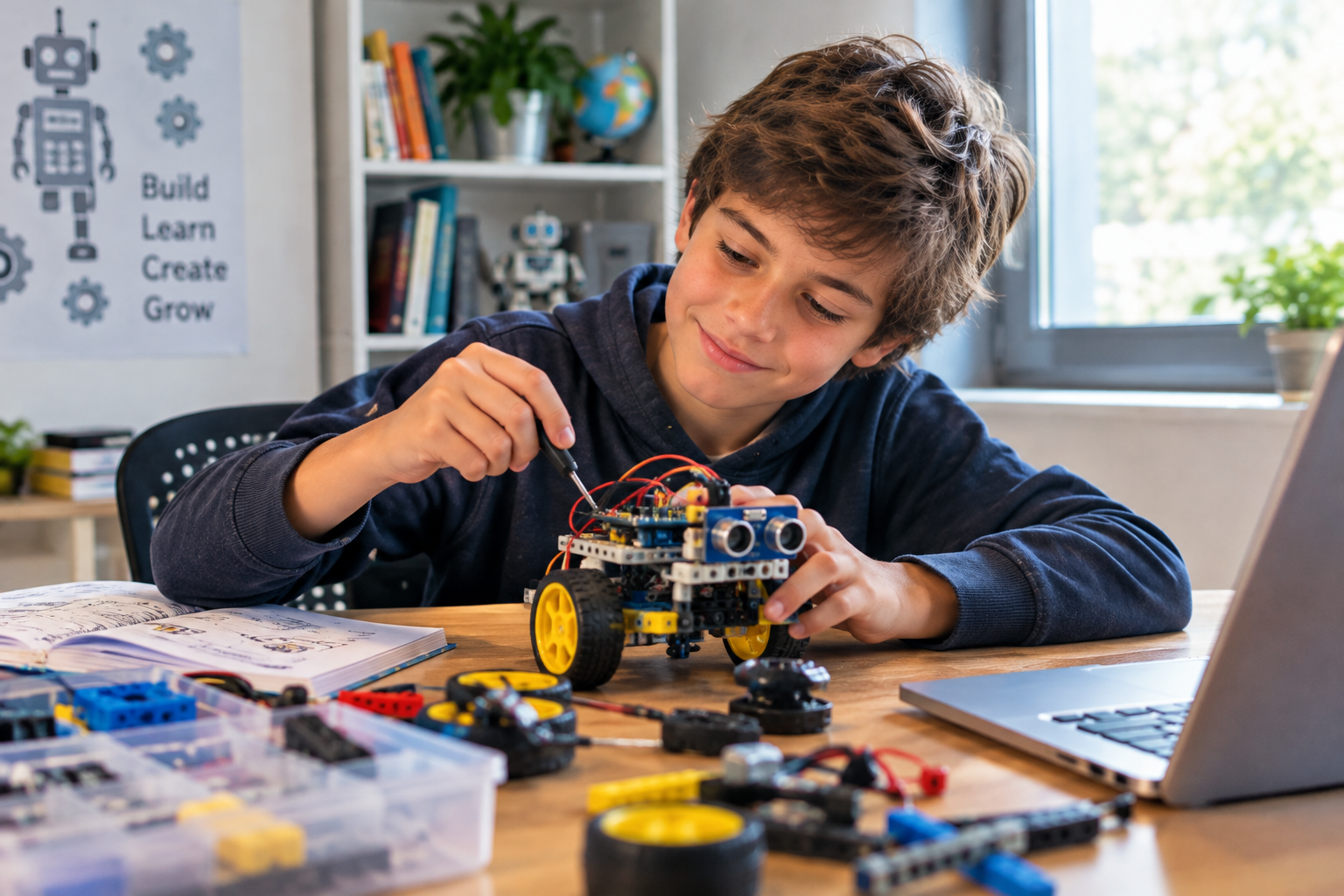
A child might start building a model or working on a creative idea and then stop when something does not work.
This is often mistaken for laziness.
But in many cases it is simply fear of failure.
If children believe mistakes mean they are not capable, they avoid continuing.
Parents can help by reframing mistakes as experiments.
For example:
“What could we try differently next?”
This shifts the focus from failure to exploration.
Situation #3: The Child With Many Ideas but Little Confidence
Some children have vivid imaginations and frequently share creative ideas.
They may imagine inventions, games, digital projects or small business concepts.
However, they sometimes hesitate to pursue these ideas because they doubt themselves.
Confidence grows when children see their ideas taken seriously.
If a parent responds with curiosity instead of judgment, the child begins to feel their thinking has value.
Small Experiences That Build Real Confidence
Confidence rarely develops through one big success.
It grows through many small experiences.
These experiences often happen in everyday situations.
Let Children Make Decisions
When children make decisions, even small ones, they begin to trust their own thinking.
For example, a child might choose how to organize their study schedule or plan a small weekend activity.
These moments reinforce independence.
Encourage Creative Projects
Creative projects allow children to explore ideas without rigid expectations.
A child who enjoys drawing might design a logo for an imaginary brand.
A child interested in technology might design an idea for an app that helps classmates organize homework.
Activities like these connect creativity with confidence.
Allow Time for Experimentation
Children often lose confidence when they feel they must succeed immediately.
But experimentation is essential for learning.
Inventors, scientists and entrepreneurs rarely succeed on the first attempt.
Helping children understand this process can significantly strengthen their resilience.
Confidence and Problem Solving
Confidence and problem solving are deeply connected.
A child who believes they can figure things out is more willing to face challenges.
This is why activities that involve solving real-life problems are so powerful.
If you want practical ideas, you may also find our guide helpful:
how to teach kids problem solving skills
When children practice thinking through challenges step by step, their confidence naturally grows.
Confidence Through Creative Thinking
Creative thinking is another powerful confidence builder.
When children invent ideas, design projects or imagine improvements to everyday objects, they begin to see themselves as creators.
For example:
- a child might design a new board game
- another might create custom notebook covers
- a student interested in coding might design a learning app idea
These experiences allow children to explore their abilities in meaningful ways.
If you want more inspiration, you can also explore our article on creative thinking activities for kids .
Why Confidence Matters for the Future
The future will reward people who are willing to explore ideas, adapt and take initiative.
Children who develop confidence early are more likely to:
- share ideas
- try new activities
- learn from mistakes
- pursue creative solutions
These qualities are closely connected with innovation and entrepreneurship.
Helping Children Turn Confidence Into Action
As children grow older, confidence becomes even more meaningful when it connects with real projects.
A child who notices a problem and believes they can solve it may begin experimenting with ideas.
For example:
A student might notice that classmates struggle to organize homework and design a better planner.
Another might imagine a creative product or digital tool.
This is the beginning of entrepreneurial thinking.
If you want your child to explore creativity, innovation and entrepreneurship through interactive lessons and projects, you can learn more here:
entrepreneurship lessons for kids from home
KidStartupper introduces students ages 10–15 to creative thinking, startup ideas and innovation through engaging learning experiences.
Final Thoughts
Confidence does not grow through pressure or comparison.
It grows when children feel capable of exploring ideas, learning from mistakes and discovering what they can create.
When parents encourage curiosity, experimentation and independent thinking, children begin to trust their own abilities.
And that trust becomes the foundation for creativity, resilience and lifelong learning.